
Prepare for Your Driving Test in Victoria: Comprehensive Expert Tips for Success with Vicroads Requirements
By Eiad Chisty, Your Local Driving Academy
Preparing for your driving test in Victoria requires thorough understanding and strategic planning to ensure success. The process can be daunting for many learner drivers; however, armed with the right knowledge and techniques, passing your test becomes a clearer path. This comprehensive guide is designed to provide you with expert tips tailored specifically for navigating the VicRoads driving test requirements effectively. You will learn about the essential requirements, study strategies, practical preparations, and common pitfalls to avoid as you get ready for test day. In addition, we’ll cover how to enhance your learning experience through driving lessons offered by Your Local Driving Academy in Melbourne.
This article will outline the key VicRoads requirements, suggested study methods, and practical preparation techniques. By delving into these topics, you’ll gain insights into how to approach your driving test day with confidence and competence.
VicRoads Requirements:
Understanding the VicRoads requirements is a critical first step in preparing for your driving test. You must meet certain eligibility criteria and have the necessary documentation in order to apply for the test successfully.
- Eligibility Criteria for Learners: You need to be at least 16 years old to apply for a learner’s permit in Victoria.
- Required Documentation on Test Day: Ensure you bring your learner’s permit and any necessary identification to verify your identity.
- Supervised Driving Experience Requirements: VicRoads mandates a minimum of 120 hours of supervised driving, including 20 hours of night driving, before taking the test.
Meeting these requirements will lay a strong foundation for your driving journey.
Study Strategies:
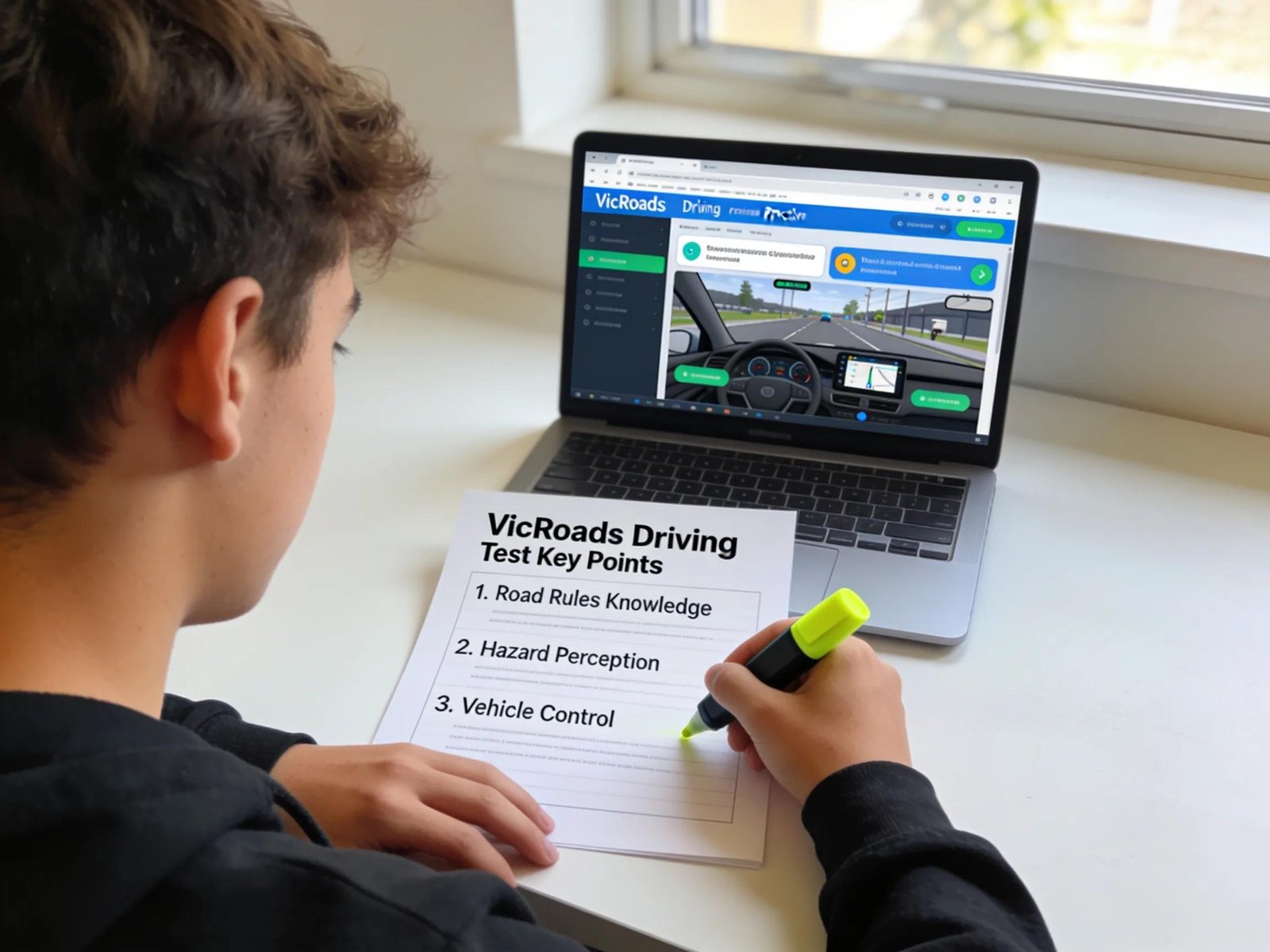
To maximize your chances of success, it’s essential to adopt effective study strategies tailored for the driving test.
- Understanding Test Requirements: Familiarize yourself with what the test entails, including the types of skills and knowledge you will be assessed on.
- Mastering Safe Driving Behaviors: Focus on safe driving practices, such as proper signaling, lane changes, and hazard recognition.
- Conducting Mock Tests: Engaging in practice tests can significantly bolster your confidence. Consider setting up mock tests with a qualified driving instructor or a supportive family member.
Utilizing these study strategies will not only prepare you for the test but will also instill lifelong safe driving habits.
Practical Test Preparation:

Preparation for the practical driving test is vital to ensure you are ready on test day.
- Conducting Mock Tests: Practicing under real conditions can help mitigate nerves and provide invaluable experience. Aim to replicate the test conditions as closely as possible during your practice.
- Managing Test Day Stress: Learn techniques for remaining calm and focused, such as deep breathing exercises or visualization techniques.
- Vehicle Check Before the Test: Before heading to your test, check your vehicle for any safety issues. Confirm that the lights, brakes, and indicators all work properly.
Your Local Driving Academy offers tailored driving lessons to prepare you directly for the VicRoads test, ensuring you are well-equipped and confident.
Which Driving Lessons are Best for Test Preparation?
When selecting driving lessons, it’s crucial to choose programs aligned with VicRoads standards.
- Structured Lesson Programs: Look for lessons that are organized and focused on the skills tested during the VicRoads driving test.
- Mock Tests: Many driving schools, including Your Local Driving Academy, provide targeted mock tests to help learners familiarize themselves with the exam format.
- Personalized Coaching Benefits: One-on-one coaching can offer tailored feedback and specific areas of improvement, increasing your chances of passing the test.
How to Book and Schedule Your VicRoads Driving Test in Victoria?
Booking your VicRoads driving test requires careful planning to ensure you meet all requirements.
- Confirming Eligibility: Ensure you meet all the necessary criteria for booking the test.
- Choosing Booking Methods: You can book your test online through the VicRoads website or directly at a local VicRoads branch.
- Test Scheduling Tips: Ideally, choose a test time when you’re least likely to feel rushed or stressed, such as mid-morning on a weekday.
By following these steps, you can facilitate a smooth testing process.
Common Pitfalls to Avoid:
While preparing for your test, it’s essential to be aware of common mistakes that can hinder success.
- Poor Observation Techniques: Always check mirrors and blind spots before maneuvers; failure to do so can lead to serious errors during the test.
- Incomplete Stops: Ensure you come to a complete stop at stop signs and red lights, as incomplete stops are a common reason for test failure.
- Nervousness Affecting Performance: Practice relaxation techniques to combat nerves; feeling anxious can impact your driving performance significantly.
Additional Tips:
Beyond understanding the requirements and preparing strategically, consider these additional tips to enhance your overall test readiness.
- Practicing Hazard Perception: Familiarize yourself with potential hazards through practice; being aware of your surroundings is crucial for safe driving.
- Vehicle Condition Check: Ensure your vehicle is clean and in good working order; a well-maintained vehicle reflects a serious approach to your driving.
- Navigating Test Routes: Study the area around your test location; being familiar with local roads can boost your confidence.
By incorporating these elements into your preparation, you set yourself up for success on test day.
What Are the Key VicRoads Driving Test Requirements in Victoria?
The VicRoads driving test assessments are thorough and require comprehensive preparation.
- Eligibility Criteria: Beyond your age, ensure you meet all other VicRoads stipulations for learner drivers.
- Documentation Needed: Bring necessary identification documents to validate your learner permit.
- Skills Assessed: The examiner will evaluate your driving skills, including safe lane changes, adhering to traffic signs, and maintaining appropriate distances from other vehicles.
Fulfilling these requirements is essential for a successful driving test outcome.
Which Documents and Eligibility Criteria Must Learner Drivers Meet?
Before taking the driving test, you must verify that you have the correct documentation.
- Age Requirements: Learners must be a minimum of 16 years old.
- Supervised Driving Hours: A record of at least 120 hours of supervised driving is essential, including nighttime driving.
- Medical Fitness Declaration: Some applicants may require a medical examination to ensure they are fit to drive.
Collecting this documentation ahead of your test will save you time and stress.
What Are the VicRoads Testing Procedures and Assessment Standards?
Understanding the testing procedures will help you navigate test day with ease.
- Overview of Testing Procedures: Arrive early at the test location and check in with the examiner.
- Key Skills Assessed: Expect to demonstrate specific driving skills, such as maneuvering in complex traffic environments and adhering to road rules.
- Testing Location Selection: Ensure you are familiar with the testing routes within the location, as this will help you feel more confident during the assessment.
Being informed about the procedures will alleviate anxiety on the test day.
How Are Driving Lessons Tailored for NDIS Participants in Victoria?
Your Local Driving Academy offers tailored driving lessons catering specifically to NDIS participants.
- Accessibility Features: These lessons include vehicles equipped with adaptive controls that accommodate learners with disabilities.
- Personalized Learning Plans: Each learner is given a customized learning plan that addresses their unique challenges and goals.
- Supportive Teaching Methodologies: Instructors are trained to create a positive learning environment that fosters confidence and skill development.
These tailored lessons help NDIS participants gain the skills they need to succeed on the road.
How Can Learners Benefit from Specialized Coaching and Resource Integration?
Specialized coaching can significantly enhance the learning experience for those preparing for their driving test.
- Coaching Methodologies: Benefits of tailored coaching strategies include a focus on individual learning styles and speeds.
- Resource Accessibility: The integration of helpful resources, including online practice tests and driving simulations, often leads to better preparation.
- Tailored Lesson Planning: Adaptive lesson plans ensure that each learner receives the attention and guidance they need to excel.
These personalized resources prepare learners to face their driving test with confidence.
How Do Corporate Driving Training Programs in Melbourne Enhance Employee Driver Safety?
Incorporating driving training programs in corporate settings promotes safer driving practices.
- Tailored Training Programs: These programs are designed to meet the specific needs of individual companies or employee groups.
- Defensive Driving Focus: Participants learn vital defensive driving techniques that can protect not just themselves, but also the company’s assets.
- On-Road Assessment Practices: Regular assessments ensure that employees maintain high driving standards.
Such programs not only enhance driving skills but also contribute to a safer driving environment.
What Customized Training Solutions Are Offered for Enterprise Clients?
Various customized training solutions are available for businesses wishing to enhance their driving training programs.
- Program Types: Different options exist, including classroom instruction followed by practical driving exercises.
- Assessment Methods: Customized assessments allow for tracking employee progress over time.
- Expected Outcomes: Participants emerge with not only improved driving skills but also a greater awareness of safety regulations.
Implementing these solutions can lead to a significant reduction in workplace accidents involving company vehicles.
How Does Corporate Training Align with Compliance and Risk Management Needs?
Corporate driving training programs play a crucial role in meeting compliance standards and managing risks effectively.
- Regulatory Compliance Focus: Training helps ensure that companies comply with local and national driving regulations.
- Risk Management Strategies: These programs teach employees how to assess and mitigate driving risks in various situations.
- Cost Reduction Benefits: Fewer accidents lead to lower insurance premiums and reduced liability costs for businesses.
Incorporating a strategic training approach can foster both a culture of safety and compliance.