
VicRoads Learner Driver Rules Explained for Melbourne Residents: Comprehensive Guide to Compliance and Driving Test Preparation
By Eiad Chisty, Your Local Driving Academy
Navigating the process of obtaining a learner permit in Melbourne can be overwhelming, especially when it comes to understanding the specific rules set by VicRoads. This guide aims to simplify these learner driver rules for residents by detailing eligibility requirements, regulations, and driving test preparation. Readers will learn about essential steps to secure their learner permit, necessary documentation, and compliance with VicRoads regulations. Throughout this article, we’ll provide insights into the driving education resources available, particularly from local driving schools like Your Local Driving Academy, which offers structured lessons tailored to VicRoads standards. As you embark on this journey, prepare to uncover comprehensive knowledge that will aid in your successful transition from a learner to a fully licensed driver.
Comprehensive Guide for Melbourne Residents on VicRoads Learner Driver Rules
Understanding the rules governing learner drivers in Melbourne is crucial for compliance and success. VicRoads has established guidelines that not only ensure the safety of new drivers but also streamline the learning process, enabling learners to gain the confidence necessary for their driving tests. Therefore, adhering to these rules is fundamental for anyone pursuing a learner permit. This section will cover significant aspects of the VicRoads learner driver rules, emphasizing their importance for compliance.
1. Eligibility Requirements for a Learner Permit
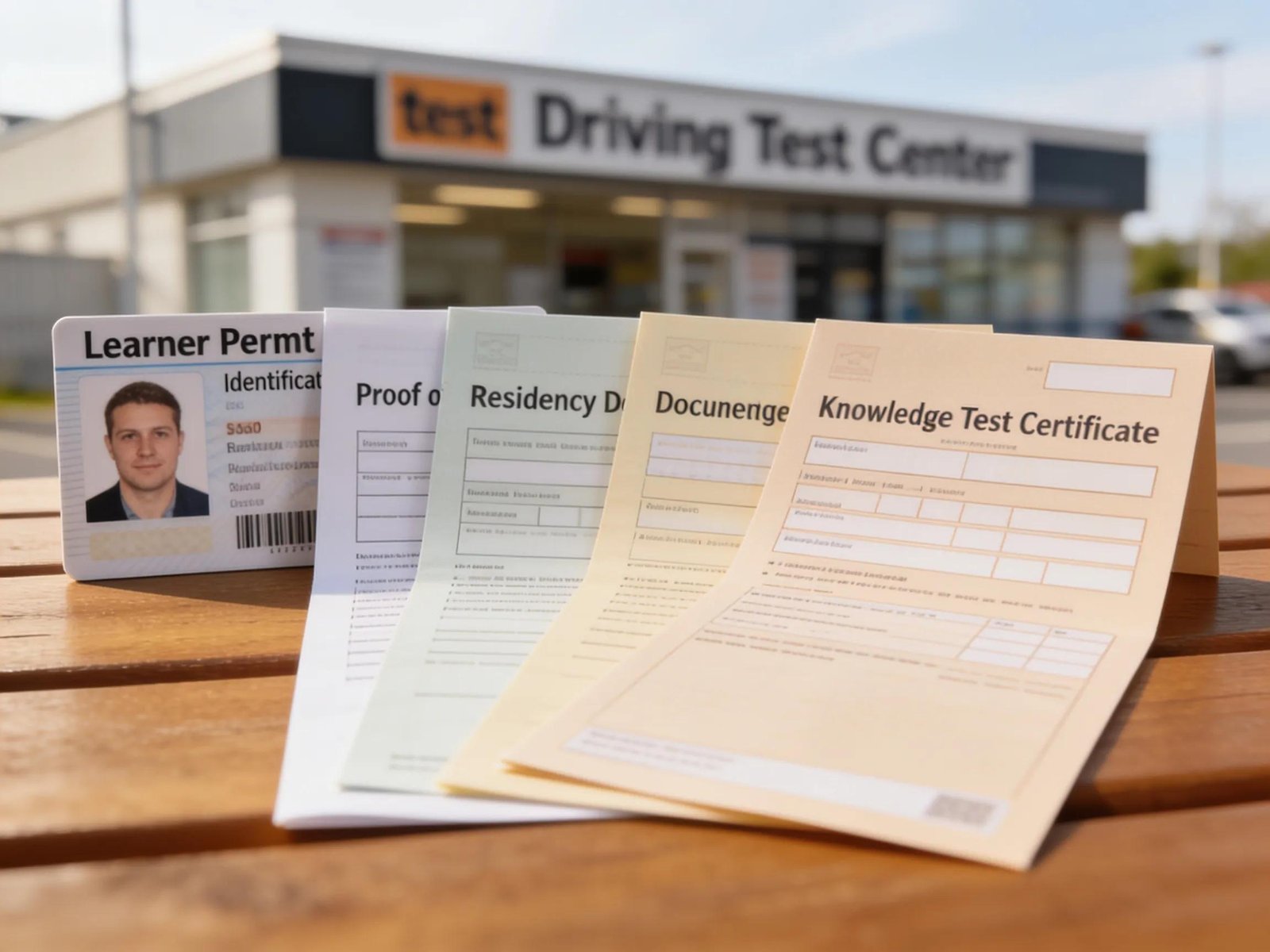
To qualify for a learner permit in Victoria, there are specific eligibility requirements you must meet. These include:
- Age Requirement: You must be at least 16 years old to apply for a learner permit.
- Documentation Needed: Approved identification and proof of residency are essential when applying.
- Tests to Be Passed: Applicants must successfully complete a knowledge test to demonstrate understanding of road rules.
Meeting these requirements ensures that new drivers have foundational knowledge before they begin their driving journey.
2. Learner Driver Regulations
Once you’ve obtained your learner permit, it’s vital to understand the regulations that guide your driving experience. The key regulations include:
- Supervised Driving Hours: Learner drivers must complete a minimum of 120 hours of supervised driving, including 20 hours of night driving.
- Display of L-Plates: It is mandatory to display L-plates on any vehicle being driven by a learner driver.
- Driving Restrictions: Learner drivers must not drive between midnight and 5 AM unless accompanied by a qualified supervisor.
Complying with these regulations significantly enhances road safety for everyone.
How Does the Learner Driver Logbook System Work According to VicRoads Standards?
The learner logbook system is designed to track driving hours and experiences. It is essential for documenting your progress towards obtaining your full license. Learners can record their supervised driving practices, which contribute to the required 120 hours. This system ensures accountability and helps learners stay on track with their driving skills development.
What Are the Logbook Requirements and Supervised Driving Hours Needed for Vic Learners?
According to VicRoads, learner drivers must:
- Complete a minimum of 120 hours of logged driving experience, including specific times for night driving.
- Maintain a proper logbook that must be signed by their supervising driver to validate the hours driven.
This structured logging process helps ensure that learner drivers gain adequate experience before attempting the driving test.
How Should Learners Record and Submit Logbook Data for VicRoads Compliance?
Learners are advised to record their driving sessions in the logbook, noting the date, duration, conditions, and type of driving experienced. Accurately completing the logbook is a prerequisite for booking the driving test, ensuring all established requirements have been met.
3. Driving Test Preparation
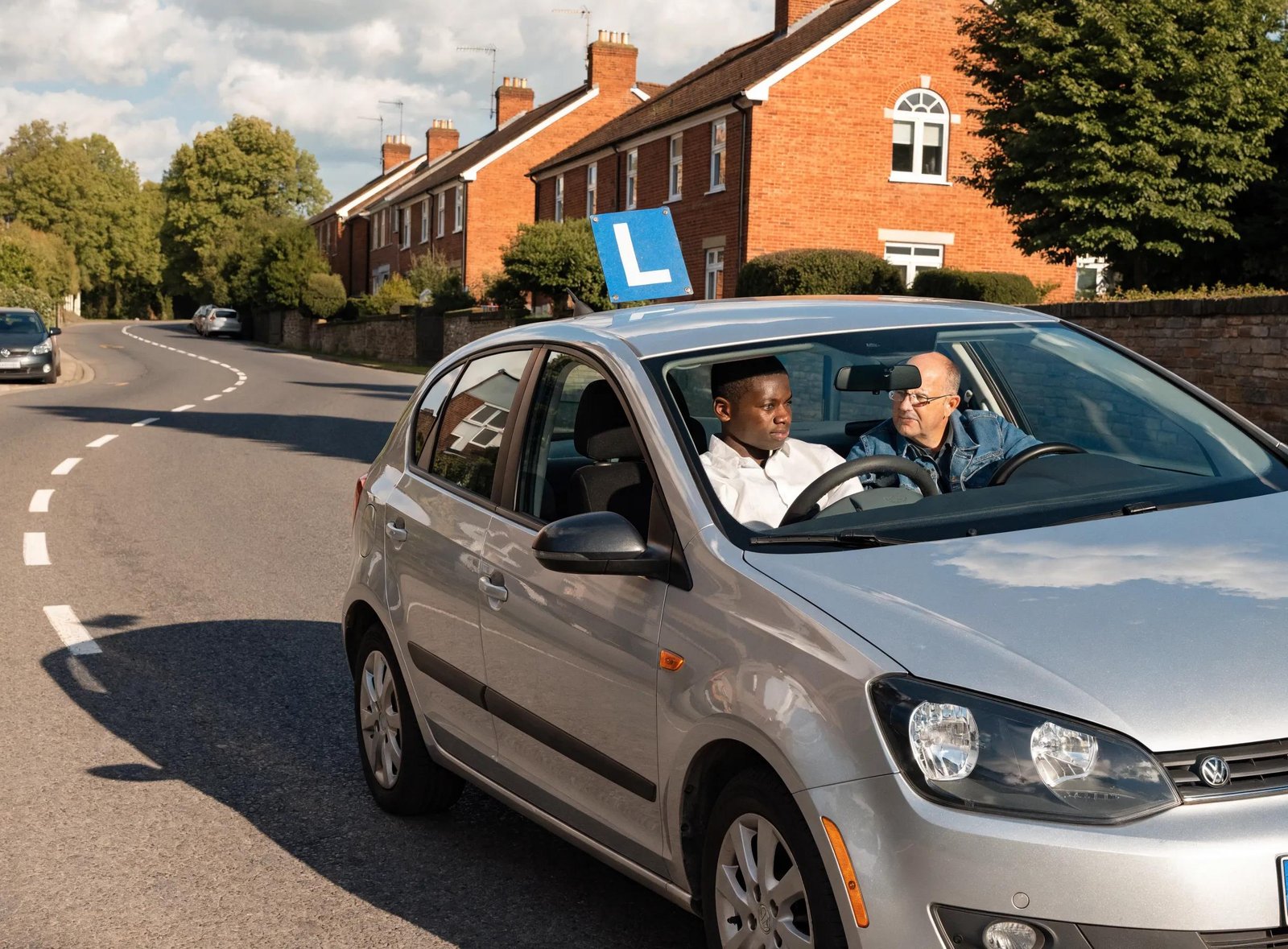
Preparation for the driving test is crucial for learner drivers aiming to secure their full license. Key steps include:
- Understanding Test Requirements: Familiarize yourself with the components of the driving test, including maneuvers and road safety practices.
- Importance of Practice: Regular driving practice enhances skill proficiency and confidence on the road.
- Mock Test Recommendations: Engaging in mock driving tests with a professional instructor can simulate the test environment, reducing anxiety and improving performance.
Applying these strategies can significantly increase your chances of passing the driving test on the first attempt.
4. Essential Requirements for Obtaining a Learner Permit
Obtaining a learner permit involves a series of essential steps:
- Application Process: Submit the learner permit application form along with required identification documents to VicRoads.
- Documentation on Test Day: Bring your learner logbook, identification, and any other required documents on the test day.
- Fees to Be Paid: Pay the applicable fees associated with the application and testing process.
Being prepared and organized on the day of your application is vital for a smooth experience.
5. Booking Your Driving Test
To schedule a driving test with VicRoads, you should:
- How to Schedule Your Test: Book your driving test online or at a VicRoads office after completing your required supervised driving hours.
- Preparation Prior to Booking: Ensure you have fulfilled all learner permit requirements to avoid any delays.
- Test Day Readiness: Show up with the necessary documentation, including your learner logbook and proof of identification.
Proper booking and preparation ensure that you’re ready for the test.
6. Test Day Procedures
Understanding what to expect on test day can alleviate stress. Key procedures include:
- Arrival Time: Aim to arrive at least 15 minutes early to allow time for check-in.
- Documentation Required: Bring your learner logbook, identification documents, and confirmation of your booking.
- Vehicle Conditioning Check: Ensure that the vehicle is roadworthy, meeting all safety requirements before the test begins.
Following these procedures will contribute to a smoother experience on test day.
7. Common Pitfalls to Avoid
Learner drivers often face challenges during their test. Common pitfalls include:
- Poor Observation: Failing to check mirrors and blind spots can lead to dangerous situations.
- Insecure Stops: Not performing safe and secure stops at intersections or pedestrian crossings can negatively impact your test score.
- Nervousness Management: Anxiety can hinder performance; it’s essential to practice relaxation techniques.
By being aware of these pitfalls, learners can improve their performance during the driving test.
8. Additional Resources
It’s important for learners to utilize available resources for improved education. Consider the following options:
- Driving Lessons Options: Structured lesson packages from Your Local Driving Academy offer comprehensive training and guidance.
- Online Resources for Learning: Numerous online platforms provide practice tests and educational materials specific to VicRoads regulations.
These resources contribute to well-rounded driver education and better preparation for the test.
What Are the Eligibility Criteria and Permit Requirements for VicRoads Learner Drivers in Melbourne?
The eligibility criteria for learner drivers in Melbourne entail:
- Identity Verification: Valid identification is required to confirm your identity.
- Medical Fitness Declarations: Some applicants may need to provide medical clearance.
- Logbook Maintenance: Properly maintaining the learner logbook is crucial for tracking hours.
Ensuring these criteria are met will facilitate the application process.
Which VicRoads Regulations Define Learner Permit Conditions and Restrictions?
Understanding specific regulations that govern learner permits can help ensure compliance. Key conditions include:
- Understanding L-Plate Rules: Learners must prominently display L-plates to indicate their status.
- Night Driving Regulations: Learners cannot drive unaccompanied at night, ensuring safety during lower visibility.
- Passenger Restrictions: There may be limitations on the number of passengers in the vehicle, especially during the initial stages of licensing.
Familiarity with these regulations is essential for maintaining compliance while learning to drive.
How Does the Learner Driver Logbook System Work According to VicRoads Standards?
The logbook system provides a structured approach for learner drivers to document their driving hours effectively. It requires:
- Each entry in the logbook to include specific details about the trip, including time and distance.
- Supervision by qualified drivers to help ensure that learners gain enough experience in various driving conditions.
This system plays a crucial role in preparing learners for their driving tests and eventual licensing.
What Are the Logbook Requirements and Supervised Driving Hours Needed for Vic Learners?
The supervision and logging of driving hours ensure learners obtain adequate practice. VicRoads stipulates that:
- Learners must log a minimum of 120 hours of driving, including a minimum of 20 hours at night.
- The logbook must be signed by the supervising driver to validate all logged hours.
By fulfilling these requirements, learners prepare themselves for the responsibilities of licensed driving.
How Should Learners Record and Submit Logbook Data for VicRoads Compliance?
Accurate record-keeping is essential for successful compliance with VicRoads regulations. Learners must:
- Regularly update their logbooks with each driving session, detailing the date, conditions, and duration.
- Submit the completed logbook when booking their driving test to demonstrate fulfilled requirements.
Maintaining an organized logbook is a critical element of becoming a responsible driver.
What Is the Process for Booking and Completing Driving Lessons with Your Local Driving Academy?
Booking driving lessons requires attention to detail. Here’s how to effectively engage with a driving school:
- Selecting Driving School Options: Choose a driving school that aligns with your learning preferences and VicRoads regulations.
- Confirming Lesson Details: Ensure that lesson times and dates fit your schedule.
- Identifying Required Documents: Bring necessary identification and documentation for your first lesson.
Partnering with experienced instructors can greatly enhance the learning process.
How to Schedule Driving Lessons Tailored to VicRoads Learner Permit Rules?
When scheduling driving lessons, consider these factors:
- Confirming Learner Eligibility: Ensure that you meet all eligibility criteria before booking your lessons.
- Engaging Structured Lesson Providers: Opt for driving schools offering tailored lesson packages designed to comply with VicRoads standards.
- Understanding Test Preparations: Discuss your driving test goals with your instructor to tailor lessons accordingly.
Booking tailored lessons can significantly enhance your readiness for the driving test.
What Specialized Services Are Available for NDIS Participants and Corporate Clients?
Driving education can also cater to diverse needs. Specialized services include:
- Personalized Learning Plans: For NDIS participants, customized driving plans can be developed to ensure they receive the necessary support.
- Adaptive Vehicles for Learners: Certain driving schools provide vehicles modified for learners with disabilities.
- Queries about Corporate Training: Corporate clients can inquire about group driving lessons for employee training purposes.
These services help facilitate driving education for a wide range of learners.
How to Prepare for the VicRoads Driving Test in Melbourne Effectively?
Preparing for the driving test involves understanding what is expected. Consider implementing these strategies:
- Accumulating Driving Experience: Aim to practice a variety of driving conditions to enhance your capability.
- Mastering Safe Driving Skills: Focus on developing essential driving techniques through regular practice sessions.
- Understanding Assessment Criteria: Familiarize yourself with what examiners will be looking for during your test to better prepare.
Preparing effectively not only boosts your confidence but also greatly enhances your chances of passing.
What Are the Key Requirements and Competencies Assessed in the Driving Test?
During the driving test, several competencies are evaluated. These include:
- Key Competencies Assessed: Examiners will assess skills such as lane changes, parking maneuvers, and safe driving behavior.
- Requirements for Testing: Ensure your vehicle meets roadworthy standards before the test begins.
- Common Mistakes to Avoid: Awareness of frequent errors can give you a competitive advantage; practice them to ensure they do not occur during your test.
Being aware of the expectations can help you focus your preparation efforts effectively.
Where Are the Authorized VicRoads Driving Test Centers Located in Melbourne?
When planning for your driving test, knowing where to go is vital. Some authorized VicRoads driving test centers include:
- Locations of Test Centers: Melbourne Central, Werribee, Frankston, and Lilydale are among the many test locations.
- Reviewing Center Features: Familiarize yourself with the features of these centers, including available services and facilities.
- Booking Insights: Make sure to book well in advance to secure your preferred date and location for the test.
Understanding the logistics of your test day can ease anxiety and enhance preparedness.
What Are the Common Melbourne Learner Driving Restrictions and Vic Road Rules to Follow?
Adhering to Melbourne’s driving restrictions is essential for learner drivers. Common restrictions include:
- Comprehensive List of Prohibitions: Learner drivers must not drive alone under any circumstances.
- Understanding Supervisory Requirements: Always ensure a qualified individual accompanies you while driving.
- Documentation Necessary While Driving: Carry your learner logbook and identification whenever driving to avoid penalties.
These rules help maintain safety on the roads and support a positive learning environment for new drivers.
Which Driving Behaviors Are Restricted During the Learner Permit Phase in Victoria?
Learner driver restrictions are put in place to ensure safety on the roads. Key constraints include:
- Restrictions on Nights and Passenger Limits: Learners shouldn’t drive unaccompanied at night and should be careful about the number of passengers.
- Obligations for L-Plate Display: Displaying L-plates is mandatory for learner drivers to notify other road users of their status.
- Misleading Behaviors to Avoid: Avoid any behavior that could mislead others regarding your experience level or capabilities.
Being aware of these restrictions is paramount to ensure compliance and safety.
How Do VicRoads Regulations Address Supervised Driving and Road Safety Compliance?
VicRoads emphasizes the importance of supervision during the learner phase. Regulations stipulate:
- Supervised Driving Hour Requirements: Learners must complete the stipulated number of hours under supervision to qualify for the driving test.
- Credentialing Supervisors: Only qualified drivers can serve as supervisors for learner drivers, ensuring safe driving practices.
- Required Road Safety Behaviors: Engagement in safe driving practices is necessary, including obeying all traffic laws.
These regulations are critical for cultivating responsible drivers ready for the responsibilities of full licensure.
How Can Learner Drivers Benefit from VicRoads-Compliant Driving Education in Melbourne?
Structured driving education that complies with VicRoads offers numerous benefits, including:
- Emphasis on Personalized Instructions: Tailored lessons help learners address specific areas of difficulty and learning needs.
- Focus on Local Driving Settings: Understanding local road rules and conditions is crucial for new drivers.
- Comprehensive Preparation for Learners: A thorough grounding in both theoretical and practical elements of driving ensures that learners are well-prepared.
Engaging in compliant driving education enhances the overall learning experience.
What Are the Advantages of Structured Lesson Packages Offered by Your Local Driving Academy?
Structured lesson packages from Your Local Driving Academy offer various advantages, such as:
- Variety of Lesson Packages: Students can choose packages that best meet their learning pace and requirements.
- Personalized Instructor Guidance: Instructors offer tailored advice and support, aligning with VicRoads requirements.
- High Success Rates in Tests: Structured learning approaches have shown to improve the likelihood of passing the driving test on the first attempt.
Such advantages illustrate the value of choosing the right driving education provider for aspiring drivers.
How Do Gift Vouchers and Booking Systems Facilitate Learner Driver Engagement?
Your Local Driving Academy also offers streamlined systems to enhance learner engagement:
- Ease of Lesson Scheduling: Flexible booking options allow learners to schedule lessons at their convenience.
- Encouraging Learner Participation: Engaging in structured lessons motivates learners to remain committed to their driving education.
- Financial Assistance Through Gift Vouchers: Available vouchers provide a great way for friends and family to contribute toward a learner’s driving lessons.
Integrating these systems makes the journey toward becoming a licensed driver far more approachable and engaging.