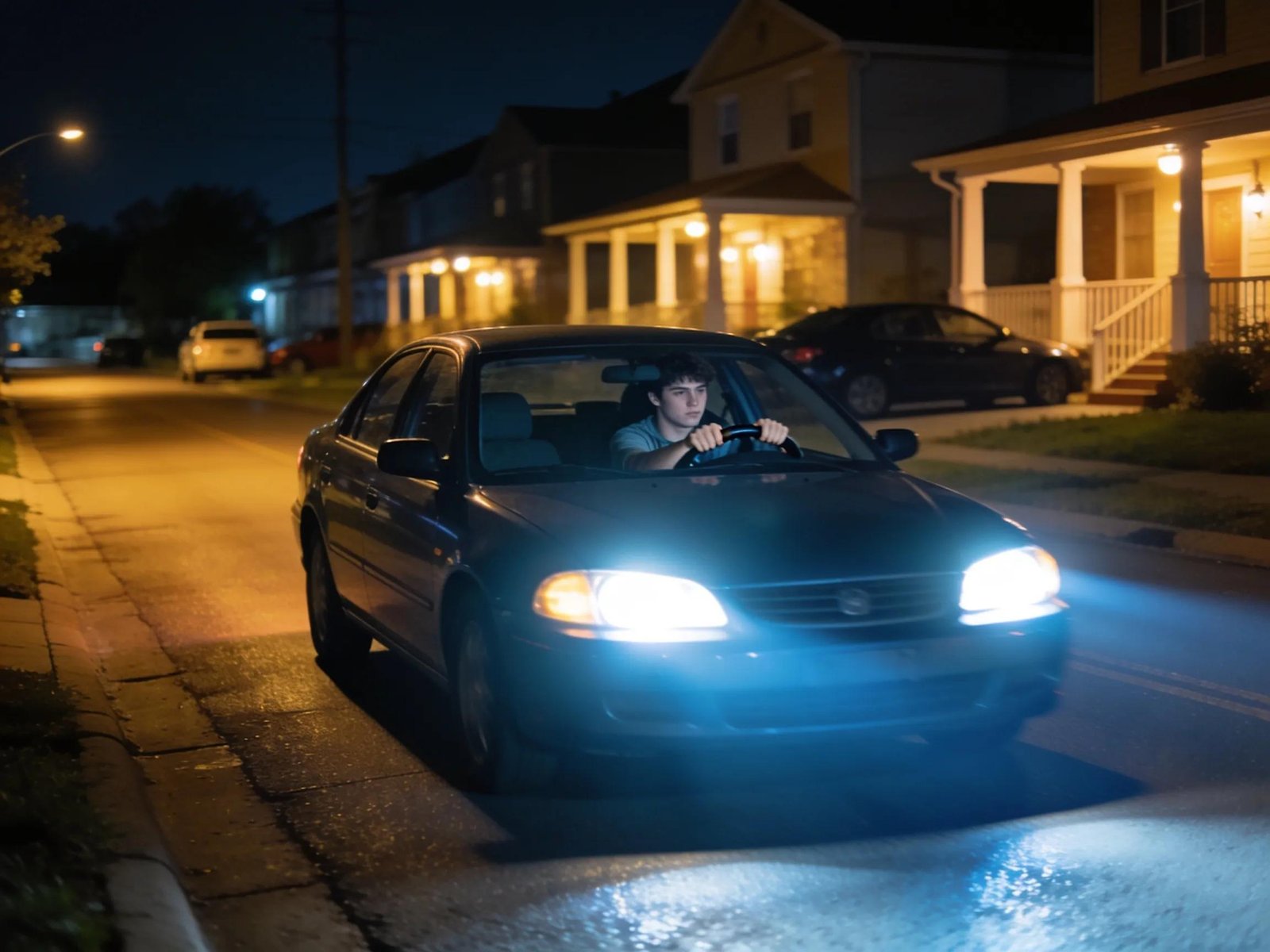
By Eiad Chisty, Your Local Driving Academy
Night driving can present unique challenges for learner drivers, but mastering it is essential for fulfilling the 120-hour logbook requirement in Victoria. This guide will cover effective night driving techniques, essential safety tips, and the logbook specifics you need to successfully complete your training. By the end of this article, you will clearly understand how to navigate night conditions while fulfilling the requirements set by VicRoads for learner drivers. We’ll also explore how professional lessons can help, the definition and importance of night driving in your logbook, and the latest regulations.
Understanding VicRoads Graduated Licensing System (GLS) Night Driving Mandate
Victoria’s Graduated Licensing System (GLS) requires learner drivers to log a minimum of 20 supervised night driving hours as part of their 120-hour total supervised driving mandate. Night hours are precisely defined by VicRoads as any driving conducted between sunset and sunrise. This clear time frame helps learners identify which driving sessions qualify as night hours for their logbook.
The official myLearners app is the preferred platform for logging these hours. This app not only simplifies record-keeping but also uses GPS verification to confirm the time and location of driving sessions, ensuring accurate and accountable logging. While paper logbooks are still accepted, they require a supervisor’s handwritten signature for every session and lack automatic GPS tracking, making the myLearners app a more reliable and user-friendly option for most learners.
Physiological and Vision Challenges of Night Driving
Driving at night introduces several sensory and physiological hurdles that learner drivers need to understand and manage effectively:
- Reduced Contrast Sensitivity: At night, distinguishing objects from their background becomes harder, increasing the risk of missing hazards.
- Visual Acuity Degradation: Low-light conditions impair sharpness of vision, making reading road signs and spotting pedestrians more difficult.
- High-Beam Glare and Dazzle: Oncoming vehicles’ high beams can cause temporary blindness. Learners should use the technique of looking toward the left edge or the fog line of the road to minimize glare impact.
- Interior Light Reflections: Cabin lights or illuminated dashboards can reflect on the windshield, distracting the driver. It is best to dim your instrument cluster brightness to reduce this effect.
Mastering these visual considerations enhances safety and comfort during night driving.
Distinguishing Twilight vs. Pitch Black Conditions
Night driving is not static—conditions change from twilight to full darkness, each with unique risks:
- Twilight (Dusk): This transition period often presents increased hazards due to reduced visibility combined with ongoing daylight glare. Pedestrians and cyclists can be particularly difficult to spot at this time. It’s important to switch from daytime running lights to low-beam headlights as soon as visibility drops.
- Pitch Black: When night is fully set, road visibility depends entirely on vehicle headlights and ambient light sources. Vigilance is critical as peripheral detection narrows.
Understanding when and how to adapt to these conditions is key for learner drivers.
Metropolitan Melbourne versus Rural and Regional Victorian Hazards
The hazards you face during night driving vary significantly depending on location:
- Metropolitan Melbourne: Navigating unlit residential streets and high-speed arterial corridors like the Western Ring Road or EastLink requires skill in managing multiple lanes and heavy traffic flow, often illuminated by city lights but still demanding alertness for sudden stops or lane changes.
- Rural and Regional Victorian Roads: These areas often include long stretches of unlit roads where wildlife such as kangaroos and wombats may unexpectedly cross. High beams should be used responsibly here for better spotting distance, but must be dipped at least 200 metres from oncoming or leading vehicles to avoid dazzling other road users.
Being aware of these contextual differences and adapting your driving techniques accordingly improves safety.
Fatigue Management During Night Driving
Fatigue poses a serious risk at night due to natural circadian rhythm dips, which reduce alertness especially between 2 am and 6 am. Learner drivers and supervising adults must be vigilant for signs of tiredness including yawning, heavy eyelids, drifting focus, and delayed reactions.
Supervising drivers should regularly assess their own alertness and that of the learner. To mitigate fatigue:
- Take scheduled 15-minute breaks every 2 hours of driving to rest and refresh.
- Ensure both driver and supervisor are well-rested before commencing night driving sessions.
- Stay hydrated and maintain light nutrition to support energy levels.
Step-by-Step Night Driving Practice Progression Plan
Building night driving skills systematically helps ensure learner confidence and competence:
- Quiet Residential Streets: Begin night driving practice in familiar, low-traffic neighbourhoods to focus on the basics under reduced light conditions.
- Multi-Lane Arterials: Progress to busier roads with multiple lanes and more complex traffic patterns to develop lane discipline and hazard perception.
- Freeways and Unlit Rural Roads: Advance to higher-speed environments and challenging rural roads, managing higher speeds, wildlife hazards, and extended darkness exposure.
Effective Night Driving Techniques
Effective night driving requires specific techniques to ensure safety and proficiency. Nighttime visibility limitations mean it’s crucial to adjust your driving habits accordingly.
- Adjust Your Speed: Lower visibility at night necessitates slower speeds, allowing more reaction time to unexpected obstacles.
- Use Headlights Wisely: Use your high beams in rural areas without oncoming traffic, while ensuring to switch to low beams when other vehicles are nearby.
- Increase Following Distance: A greater distance can provide additional time to react to sudden changes in traffic or weather conditions.
Mastering these techniques is vital for your development as a competent night driver.
Essential Safety Tips
Safety should always be the top priority while driving at night. Here are some crucial tips to follow:
- Avoid Driving Tired: Fatigue significantly impairs reaction times and judgment; ensure you are well-rested before hitting the road.
- Limit Distractions: Keep distractions to a minimum by avoiding phone usage and loud music, which can divert your attention.
- Use a “Cockpit Drill”: Performing a cockpit drill before driving ensures all essential controls are reachable and working effectively.
These safety measures are fundamental in preparing for safe driving practices and enhancing your confidence on the road at night.
Logging Driving Hours
Maintaining an accurate logbook is essential for learner drivers looking to meet the 120-hour requirement.
- Document All Completed Hours: Keep a clear record of every driving session, clearly noting the date, duration, and conditions.
- Use the **myLearners App**: This app simplifies the process of logging your driving hours and keeps an organised record of your driving experience.
- Include Diverse Driving Conditions: Document different situations like city driving, highways, and night conditions to fulfill the logbook requirements effectively.
Proper logging not only meets VicRoads requirements but also reflects on your journey as a responsible driver.
Professional Lessons
Taking professional driving lessons can significantly enhance your skills and confidence while driving at night.
- Professional Lessons Count Towards Logbook Hours: Lessons with a qualified instructor directly contribute to your required logbook hours.
- Reinforce Safe Driving Habits: Structured lessons emphasise key safety protocols that may be overlooked during private practice.
Consider booking a lesson with a reputable driving school to ensure you get the best foundation for night driving expertise.
What Are Victoria’s Learner Driver Night Driving Requirements?
In Victoria, learner drivers must complete a specific set of requirements when it comes to night driving to meet their logbook obligations:
- Total Supervised Driving Hours: Learners are obligated to log a total of 120 hours of supervised driving.
- Specific Night Driving Hours Requirement: Out of these, at least 10 hours must be conducted at night under supervision to satisfy VicRoads requirements.
- Parental Supervision Requirements: It’s mandated that a licensed supervisor over the age of 21 accompanies the learner during night driving sessions.
Understanding these requirements will guide your driving practice effectively.
How Does VicRoads Define Night Driving for Logbook Completion?
VicRoads defines night driving primarily as driving during the hours of darkness, which is generally considered from sunset to sunrise. This definition is crucial as it helps learners properly document their logbook hours for valid night driving.
- Importance of Logging Night Driving Hours: Accurately logging night driving hours is not only a requirement but also ensures that you gain the specific experience needed for safe driving in reduced visibility conditions.
What Are the Updated Learner Logbook Regulations?
The learner logbook regulations are periodically updated to provide clearer guidelines for drivers.
- Required Documentation: All learners must adequately document their driving hours, including varying conditions, to reflect their experience accurately.
- Components of Logbook Obligations: This includes notes on time, conditions, and the supervisor present during driving sessions to ensure accountability and safety.
Awareness of these regulations is crucial to safely navigate your learning route.
How Can Learners Effectively Complete the Night Driving Logbook?
To efficiently complete the night driving logbook, consider the following strategies:
- Start With Familiar Roads: Beginning your night driving practice on familiar routes can ease anxiety and enable focus on skill development.
- Practice in Various Conditions: Exposure to different driving situations like rain, fog, or light traffic ensures comprehensive experience.
- Ensure Accurate Documentation: Maintain an up-to-date logbook where every session is recorded meticulously.
These strategies will ensure that you not only meet the requirements but also become a capable night driver.
What Steps Ensure Accurate Logging of Night Driving Hours?
Accurate recording of your night driving hours is vital for logbook completion. Follow these best practices:
- Plan Night Sessions: Schedule drives during suitable times to maximise quality practice.
- Use the myLearners App: This tool provides an efficient way to track your driving hours, ensuring nothing is overlooked.
- Log Details Accurately: Include all relevant information about conditions, times, and routes taken during each session.
By following these steps, you can ensure that your logbook is maintained accurately, reflecting your true driving experience.
Which Common Challenges Affect Logbook Night Hours?
Learners often face several challenges when logging their night driving hours, including:
- Limited Availability of Supervising Drivers: Finding a licensed supervisor who is free to accompany you during night hours can be difficult.
- Inexperience with Night Conditions: Less experienced drivers may feel anxious or unprepared to drive at night, affecting their practice opportunities.
- Weather Difficulties: Inclement weather can lead to cancellations or modifications in driving plans and can create an added layer of stress during practice.
Recognising these challenges can help learners find solutions and prepare better for their night driving sessions.
What Are Essential Safety Tips for Practicing Night Driving?
Safety is paramount during night driving. Here are essential tips you should incorporate into your practice:
- Use Headlights Properly: Ensure your headlights are clean and functioning; adjust as necessary based on conditions and traffic.
- Conduct Pre-Drive Checks: Check vital functions like brakes, tires, and signals before every trip to confirm everything is in working order.
- Stay Hydrated and Nourished: Feeling fatigued can impact your focus. Drink water and eat light snacks to maintain energy levels during longer sessions.
These safety tips can greatly enhance your confidence and preparedness when driving at night.
How to Manage Hazards Specific to Night Driving Conditions?
Managing hazards unique to night driving involves understanding common obstacles and strategically planning your approach:
- Gradual Exposure to Night Driving: Start with short and familiar routes to gradually build your confidence at night.
- Speed Adjustment Strategies: Be mindful of your speed and adjust according to visibility, allowing ample reaction time for unexpected situations.
- Avoid Distractions: Keeping both visual and auditory distractions to a minimum can help maintain focus and awareness on the road.
Incorporating these strategies will help in navigating the complexities of night driving with more ease.
Which Night Driving Techniques Improve Learner Confidence and Control?
There are various techniques that can boost a learner’s confidence during night driving:
- Practice in Familiar Settings: Start your night driving sessions in well-known areas where you feel secure.
- Develop Awareness of Surroundings: Continuously scan your environment for potential hazards, reinforcing situational awareness.
- Review Driving Sessions: Post-drive discussions or reflections can identify strengths and areas for improvement, bolstering overall confidence.
These techniques serve to enhance both the skillset and the confidence of learner drivers in night conditions.
How Do Victoria Night Driving Lessons Assist Learners in Logbook Completion?
Professional night driving lessons play a pivotal role in helping learners meet their logbook requirements.
- Structured Lessons Are Effective: Professional instruction provides a framework for learners to practice required skills safely and effectively.
- Diverse Conditions in Lessons: These lessons often include various scenarios, such as driving in different levels of darkness and weather, giving learners a well-rounded experience.
Investing in night driving lessons can therefore be highly advantageous for fulfilling regulatory requirements.
What Customised Night Driving Packages Does Your Local Driving Academy Offer?
Your Local Driving Academy provides tailored packages aimed at enhancing your night driving proficiency.
- Lesson Details and Pricing: Offering competitive rates, the academy structures lessons to fit individual learner schedules and needs.
- Customisation for Learner Needs: Each driving plan accounts for the learner’s specific challenges and goals, ensuring an optimal learning experience.
To discuss options or book a session, consider contacting the academy for personalized assistance.
How to Book Night Driving Lessons and Utilize Gift Vouchers?
Booking lessons at The Local Driving Academy is a straightforward process, enabling learners to tailor their training effectively.
- Booking Process: Simply reach out via the academy’s contact details, and they will assist you in scheduling lessons at convenient times.
- Vouchers Purchase and Redemption: Offering gift vouchers allows friends and family to support your driving practice, providing a thoughtful and practical gift option.
Utilizing these resources can lead to improved driving skills and confidence.
How Are NDIS Participants Supported in Meeting Night Driving Requirements?
NDIS participants can access specific support tailored to their individual night driving goals.
- Funding for Lessons: Financial assistance for professional driving lessons may be available, easing the potential burden of costs for NDIS participants.
- Customised Training Programs: Programs are developed to suit each participant’s unique needs, ensuring a comfortable and comprehensive learning approach.
It’s beneficial for NDIS participants to reach out to their coordinators to explore these options.
Frequently Asked Questions About Night Driving and the Logbook
Learner drivers often have queries regarding night driving and logbook requirements. Here are some common concerns:
- How Many Night Hours Are Required to Pass the Learner Driving Test? A minimum of 10 hours of night driving is required to pass the test, ensuring that learners are well-prepared for diverse driving conditions.
- What Counts as Valid Night Driving Experience Under VicRoads Rules? Valid experience includes driving after sunset with a qualified supervisor. It encompasses varied conditions to provide comprehensive exposure to night driving scenarios.
- Can Professional Driving Lessons Count for Night Hours? Yes, lessons taken with qualified instructors count towards your supervised night driving hours as they are supervised sessions and comply with VicRoads requirements.
- What Happens If myLearners App Loses GPS Signal at Night? If GPS is temporarily lost, the app allows manual entry with supervisor verification, but it’s important to resume GPS-enabled logging promptly to maintain accurate and compliant records.
- Can I Drive With Friends at Night on My Learner Permit? No, learner drivers in Victoria must always be accompanied by a supervised licensed driver over 21 years old during night hours; passengers without proper supervision are not permitted.