By Eiad Chisty, Your Local Driving Academy
Logging “driving hours” is a crucial step in obtaining your learner driver licence in Victoria, Australia. The VicRoads logbook requirements dictate that learner drivers must complete a minimum of 120 driving hours, including at least 20 hours of night driving. This guide will provide learners and their supervisors with a comprehensive overview of the requirements, best practices, and additional tips for efficiently logging these hours. By following this guidance, learners can ensure they meet the necessary criteria set by VicRoads and enhance their driving experience.
In this article, we’ll cover the specific requirements for logging hours, best practices for effective documentation, and additional tips to improve driving skills. Understanding and implementing these elements can streamline the learning process while also reinforcing safe driving habits.
Requirements:
To begin the journey towards obtaining a full driver’s licence, learners must adhere to specific requirements outlined by VicRoads. These requirements ensure that learner drivers accumulate adequate experience under supervised conditions.
- Minimum Supervised Driving Hours: Learners must log a total of at least 120 hours of supervised driving experience, ensuring they practice varied driving conditions.
- Night Driving Hours Requirements: A minimum of 20 hours must be logged during “nighttime driving”. This aspect of training is essential for developing skills in low-light conditions.
- Supervisor Criteria: The supervising driver must meet specific requirements, including being over 21 years old and holding a full Australian driver’s licence or an equivalent licence recognised in Australia.
Fulfilling these requirements is essential for progressing towards the driving test and obtaining a probationary licence.
Research underscores that this extensive practice period is fundamental to significantly reducing accident risks for newly licensed drivers.
Safety Benefits of the 120-Hour VicRoads Driving Requirement VicRoads cites research showing that ‘new solo drivers with almost 120 hours of learner driving experience have a 30 percent lower risk of crashing than those with about 50 hours.’ L-Plates, Logbooks and Losing-Out: Regulating for Safety—Or Creating New Criminals?, B Naylor, 2010
Best Practices for Logging Hours:
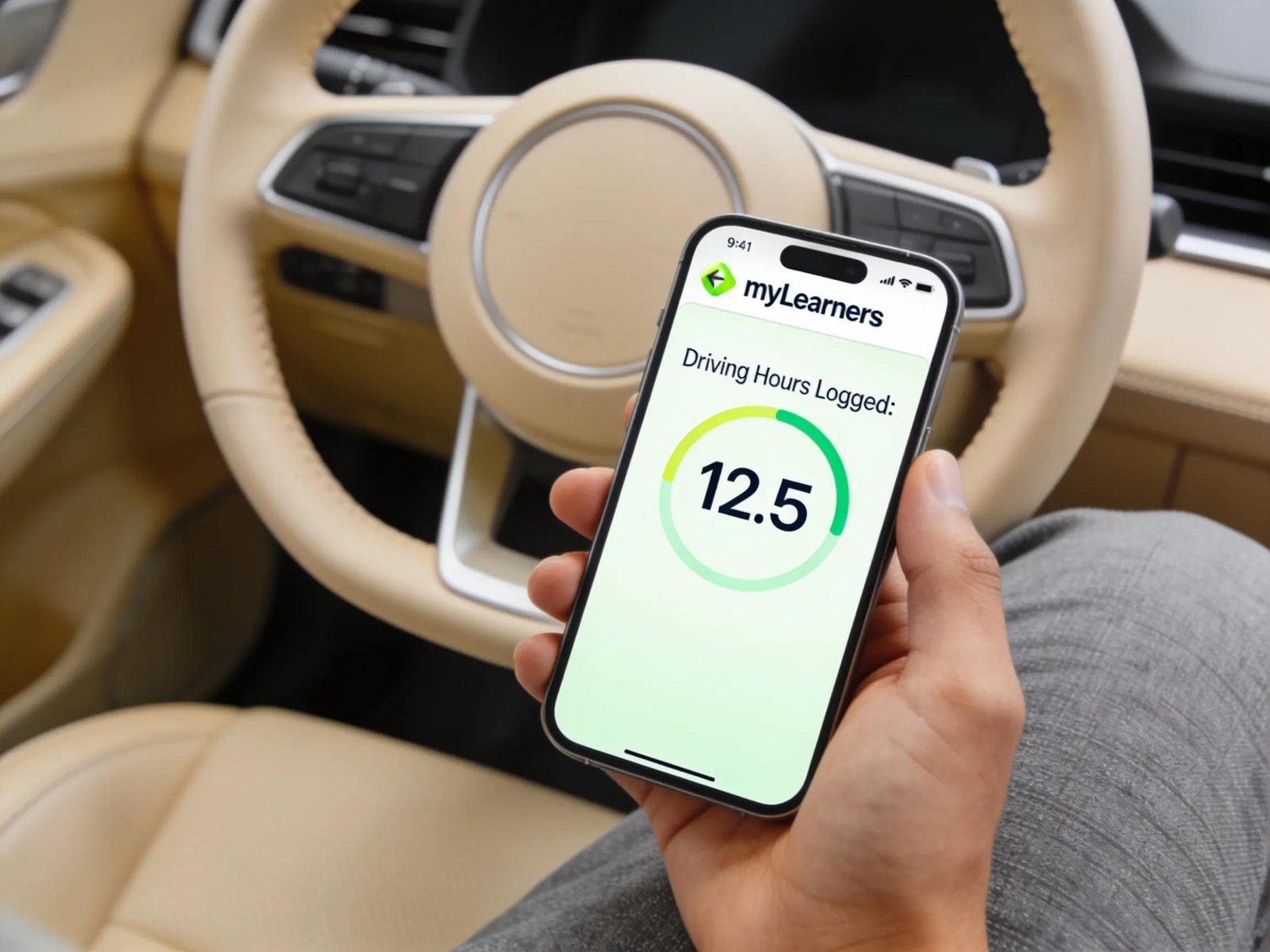
Accurate logging of driving hours is vital for meeting VicRoads requirements and ensuring learners gain the necessary experience. Here are several best practices to consider:
- Using the myLearners App: The myLearners app offers a user-friendly platform to track driving hours efficiently. It allows for easy recording of completed hours and conditions experienced during driving sessions.
- Documenting Driving Conditions: Providing detailed notes on conditions such as weather and traffic can enrich the logbook. These notes help identify areas that may require further practice.
- Including Professional Lessons in Logbook: Acquiring “professional driving lessons” is beneficial. These lessons should be logged alongside supervised practice, as they contribute significantly to developing safe driving habits.
By implementing these best practices, learners can ensure their logbook is comprehensive and reflects their proficiency behind the wheel.
Comparing Driving Lesson Packages
In exploring driving lessons, it’s beneficial to understand the various packages offered. Utilizing a structured approach can enhance learning experiences.
This comparison of driving lesson packages ensures that learners can choose one that best fits their needs while meeting the VicRoads logbook criteria effectively.
Additional Tips:
To maximise the learning experience, learners can adopt several additional strategies that complement formal instruction.
- Practice in Various Driving Conditions: Gaining experience in a multitude of conditions, such as rain, fog, and heavy traffic, is crucial. Varying the practice environment enhances adaptability and skills.
- Regularly Review Logbook: Frequent reviews of the logbook can help learners stay on track with their driving goals and allow for adjustments in practice areas based on strengths and weaknesses identified during driving sessions.
- Reinforce Safe Driving Habits: Emphasising safety in all aspects of driving—such as speed management, seatbelt use, and awareness of surroundings—will contribute to becoming a responsible driver.
By following these additional tips, learners can further enrich their driving repertoire, ensuring readiness for the road test.
Before undertaking this important journey toward obtaining a full driver’s licence, prospective learners can benefit from valuable lessons and support from local driving academies, such as Your Local Driving Academy. By combining these structured learning experiences with effective logbook management, learners can navigate the requirements and achieve their licensing goals.
Frequently Asked Questions
How many driving hours do learner drivers need to log in Victoria?
Learner drivers in Victoria must log a minimum of 120 hours of supervised driving experience before progressing to a probationary licence, as required by VicRoads.
How many of the 120 hours must be night driving?
At least 20 of the 120 required hours must be completed at night, giving learners essential experience driving in low-light conditions.
What are the requirements for a supervising driver?
A supervising driver must be over 21 years old and hold a full Australian driver’s licence, or an equivalent licence recognised in Australia.
What is the best way to track my logbook hours?
The myLearners app is the recommended way to record driving hours, allowing learners to easily log completed sessions along with the conditions experienced, such as weather and traffic.
Do professional driving lessons count towards the 120 hours?
Yes, professional driving lessons can be logged alongside supervised practice and are a valuable way to build safe driving habits while working towards the required hours.