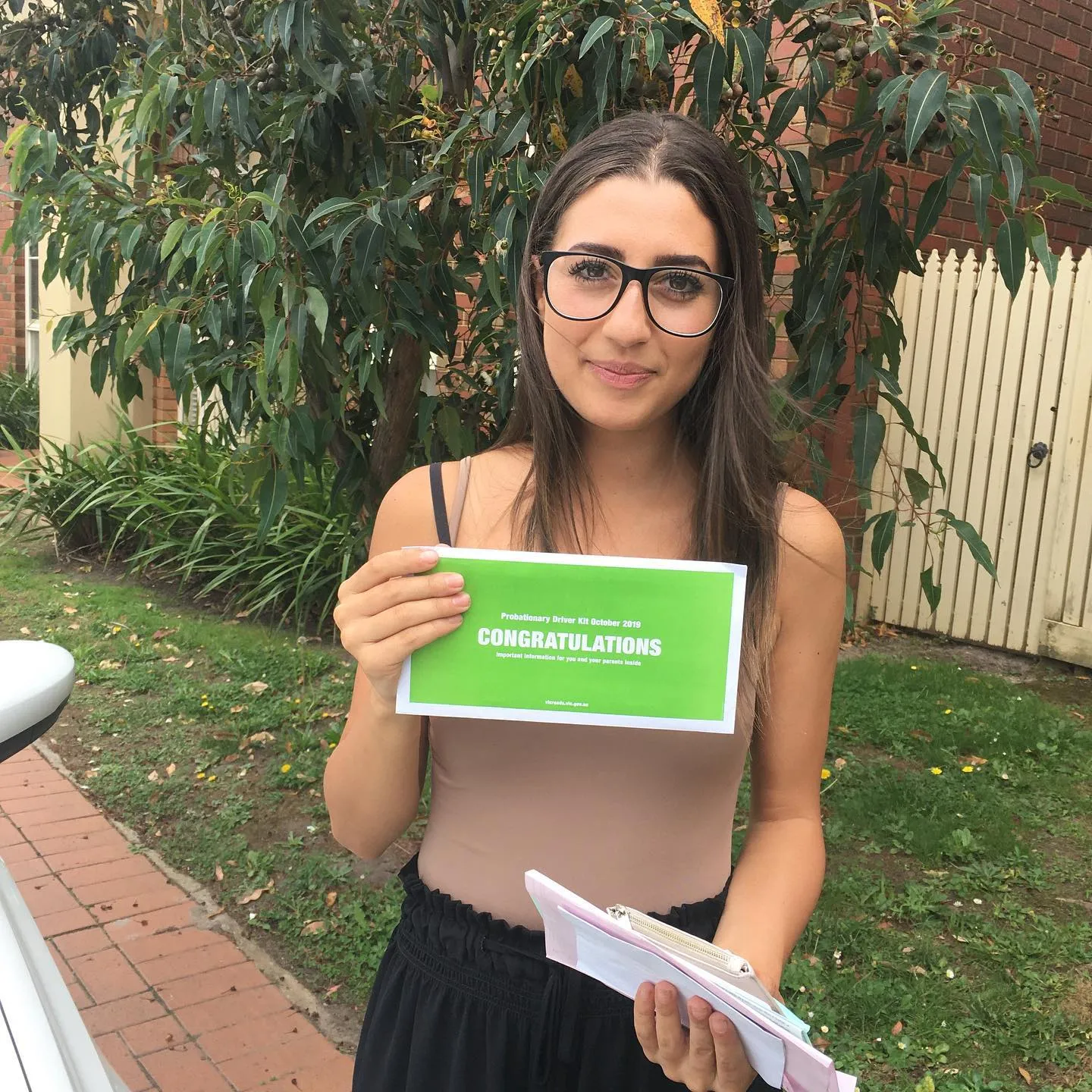
Beginner Driving Tips for New Drivers in Victoria — Your Complete Guide to Confident, Safe Driving
Starting your driving journey as a new driver in Victoria is both exciting and rewarding. This beginner driving guide is tailored specifically for Victorian learner drivers, packed with practical Melbourne learner driver tips to help you navigate the learning process smoothly and safely. Whether you’re wondering how to start learning to drive in Victoria, mastering vehicle controls, or preparing for your test with dual control driving lessons Melbourne, we’ve got you covered.
Getting Started as a Victorian Learner Driver
Before hitting the road, it’s essential to understand the learner driver requirements and track your progress properly.
- Logbook Hours Requirement: To qualify for your probationary licence, you need to complete 120 logged hours of supervised driving, including at least 20 night hours. These hours ensure you gain diverse driving experience.
- Use the myLearners App: This official app helps you log your hours digitally, track your progress, and provides tips tailored for Victorian learner drivers.
- Supervisor Requirements: Your supervising driver must hold a full Victorian licence and meet the eligibility criteria to ensure safe and supportive guidance.
The Ergonomic Cockpit Setup & Blind Spot Elimination Protocol
Proper vehicle setup is crucial for safe and comfortable driving. Follow these steps for an ideal ergonomic cockpit setup and blind spot elimination:
- Proper Seating Position: Adjust your seat so your back is firmly against the seatback, and you are able to comfortably reach the pedals with a slight bend in your knees. Your hips should be level with or slightly higher than your knees to avoid fatigue.
- Leg Reach to Pedals: Ensure you can fully depress the clutch (for manuals) or brake pedals without overextending your leg. Your heel should rest on the floor while pivoting your foot between pedals smoothly.
- Steering Wheel Tilt and Hand Positioning: Tilt the steering wheel so it is angled towards your chest and hands comfortably rest on it. Adopt the 9-and-3 o’clock hand positions for optimal control and reduced fatigue instead of the traditional 10-and-2 position, which is less recommended for modern airbags and steering wheels.
- SAE Mirror Adjustment Method: Angle your side mirrors outward so you just barely see the side of your car in the inner edge of each mirror — this technique significantly reduces blind spots. Combined with your rearview mirror centered and adjusted to show directly behind you, this setup improves overall visibility.
- Mandatory Head Checks: Even with properly adjusted mirrors, always perform a quick physical head check over your shoulder before any lateral movement such as lane changes, merging, or turning to confirm no vehicles or cyclists occupy your blind spots.
Cockpit Drill & Vehicle Ergonomics: The DSSSM Routine
Good vehicle preparation sets the foundation for safe and comfortable driving. Use the DSSSM routine every time you get behind the wheel:
- Doors: Ensure all doors are securely closed.
- Seat: Adjust your seat position for clear pedal access and visibility.
- Steering: Position the steering wheel for comfort and control.
- Seatbelt: Fasten your seatbelt and ensure all passengers do the same.
- Mirrors: Adjust all mirrors for maximum visibility.
Don’t forget to perform a blind spot head check before moving off to ensure no vehicles or cyclists are in your blind spots.
Mastering Smooth Vehicle Control: Pedal and Steering Techniques
Mastery of vehicle controls is fundamental for safe driving and passenger comfort. This section expands on pedal control and steering mechanics essential for beginners.
Smooth Pedal Mastery
- Progressive Acceleration: Apply the accelerator gently and steadily to avoid sudden jerks. Gradual pressure allows the car to gain speed smoothly, keeps passengers comfortable, and improves fuel efficiency.
- Threshold Braking Technique: Learn to brake progressively by easing your foot onto the brake pedal, increasing pressure smoothly to avoid abrupt stops. Anticipate stopping points early to allow ample braking distance and prevent jolting.
- Clutch Friction Point Management (Manual Learners): Find the clutch bite point by gradually releasing the clutch until the vehicle begins to move. Practice holding the clutch at this friction point to achieve smooth starts and avoid stalling or jerking.
Steering Mechanics
- Push-Pull Steering Technique: Use one hand to push the steering wheel up while the other pulls down, allowing smooth and controlled steering movements, especially at low speeds or tight turns.
- Hand-Over-Hand Method: For sharper turns, the hand-over-hand technique lets you quickly rotate the wheel by crossing one hand over the other, providing greater steering range and control at lower speeds.
- Steering Centering: After completing a turn, practice returning the wheel smoothly to the center position without overcorrecting to maintain vehicle stability.
- Maintaining Lane Discipline: Keep your steering steady and make small corrections to stay centered within your lane, avoiding weaving or drifting which can be hazardous.
Road Scanning & Hazard Perception for Beginners
Developing strong observational skills is vital for recognizing potential dangers early and reacting appropriately.
- 12-Second Visual Lead Time: Constantly scan the road ahead about 12 seconds into the future (roughly 200-250 meters) to anticipate traffic flow, signals, and obstacles.
- Intersection Scanning: Left-Centre-Right: Before entering intersections, systematically check left, centre (ahead), and right to ensure all directions are clear and safe to proceed.
- Detecting Vulnerable Road Users: Be especially alert for cyclists, pedestrians, and e-scooter riders who may be less visible or less predictable. Slow down near pedestrian crossings and shared paths.
Progressive Complexity Pathway for Learning Environments
Building skills step-by-step helps new drivers adapt to varying traffic conditions safely.
- Empty Car Parks: Begin practicing basic vehicle controls, steering, and maneuvering in low-risk open spaces.
- Quiet Residential Streets: Progress to low-speed driving with moderate traffic, practicing turns, stops, and parking.
- Suburban Arterials: Experience higher speed limits, multiple lanes, and more complex traffic signals.
- Multi-Lane Roundabouts: Learn lane selection, yielding, and signaling in more complex junctions.
- Freeways: Advance to high-speed driving, merging, lane changes, and maintaining safe following distances on highways.
Weather & Night Driving Adaptation
Adapting your driving to weather and lighting conditions is an essential safety skill, especially in Melbourne’s variable environment.
- Managing Glare: Use sun visors and polarized sunglasses to reduce glare during the day. At night, avoid looking directly at oncoming headlights and use the night setting on your rearview mirror.
- Rain and Wet Roads: Reduce speed and increase following distance during rain. Be cautious on wet tram tracks which can cause wheel slippage; cross tracks at as close to a 90-degree angle as possible.
- Headlight Etiquette: Use low beams when driving in traffic to avoid dazzling other drivers. Use high beams only on dark, empty roads and remember to dip them when another vehicle approaches.
Beginner Driver Frequently Asked Questions
Q: How do I overcome the fear of driving next to large trucks and buses?
A: Maintain a safe distance and position your vehicle where you’re most visible to the driver. Avoid lingering beside large vehicles and be patient during overtaking maneuvers. Confidence builds with experience; consider practicing on quieter roads initially.
Q: What should I do if my car stalls at an intersection?
A: Stay calm, turn on your hazard lights to alert other drivers, and try to restart your vehicle safely. If possible, steer out of the way to the shoulder or side of the road to avoid obstructing traffic.
Q: How many hours should I practice per week?
A: Regular Practice of 3-5 hours per week is recommended to build and maintain your skills steadily. Consistent driving helps reinforce learning and improves confidence faster.
Q: What are the legal requirements for displaying L-plates in Victoria?
A: Learner drivers must display L-plates both at the front and rear of the vehicle while driving. The plates must be clearly visible and conform to the standard Victorian design and size.
Q: When should I start practicing reverse parallel parking?
A: Begin practicing within quiet residential streets or empty parking areas once you are comfortable controlling the vehicle at low speeds and have mastered basic steering and clutch control.
Essential Beginner Driving Tips for Safe, Confident Driving
Defensive Driving Mindset
Adopt a cautious and proactive mindset to enhance your safety and that of others on the road. Key principles include:
- 3-Second Following Distance Rule: Maintain a minimum 3-second gap behind the vehicle ahead to allow sufficient reaction time. Increase this to 4–5 seconds in wet or slippery conditions.
- Eye Scanning Routine: Continuously scan the road about 12 seconds (or approximately 200-250 meters) ahead to anticipate hazards early.
- Managing Tailgaters Safely: If someone is following too closely, avoid sudden braking. Instead, safely create more space ahead by increasing your following distance, or change lanes when safe to allow them to pass.
Why Starting with Dual-Control Lessons Accelerates Learning & Safety
Dual control driving lessons in Melbourne provide a safe learning environment supervised by experienced instructors. Benefits include:
- Immediate Feedback: Instructors can intervene if necessary and guide you through difficult maneuvers.
- Structured Skill Development: Lessons cover key learner stages with expert knowledge of Victorian road rules.
- Confidence Building: Knowing support is close by helps reduce anxiety, allowing faster skill acquisition.
Your Local Driving Academy offers top-rated dual-control lessons tailored to Victorian learner drivers, helping you progress confidently and safely.
Frequently Asked Questions for Victorian Learners and Parents
Q: How do I start learning to drive in Victoria?
A: First, obtain your learner permit by passing the knowledge test. Then, log your 120 supervised hours using the myLearners app with an eligible supervisor to meet licence requirements.
Q: What is the DSSSM routine and why is it important?
A: DSSSM stands for Doors, Seat, Steering, Seatbelt, Mirrors. It’s a vital safety check each time you get in the car that ensures optimal vehicle setup and awareness.
Q: How many dual control lessons should I book?
A: It varies per learner. Starting with professional dual control lessons helps build safe habits from the outset. Discuss your goals with your instructor to design a personalised plan.
Q: How can parents support learner drivers?
A: Parents can assist by supervising practice drives, helping log hours accurately, and encouraging calm, focused driving without distractions.
Q: What’s the best way to practice night driving?
A: Include at least 20 logged night hours in your learning, driving in quiet, familiar areas with supervision to build comfort with reduced visibility conditions.
Q: How do I handle roundabouts safely as a beginner?
A: Approach slowly, give way to traffic already on the roundabout, use signals before exiting, and always keep alert to other road users.
Q: What should I expect in dual control driving lessons Melbourne?
A: Structured lessons focus on progressive skills development, practical vehicle control, traffic navigation, and road rule application—all tailored to Victorian driving conditions.
Actionable Summary Checklist for Beginner Drivers
- Complete 120 supervised driving hours, including 20 night hours, logging all on the myLearners app.
- Perform the DSSSM Safety Routine each time you prepare to drive: Check Doors, Seat, Steering, Seatbelt, Mirrors.
- Master smooth pedal control: use progressive acceleration, threshold braking, and clutch friction point management.
- Practice steering techniques: push-pull and hand-over-hand for low-speed control, and maintaining lane discipline.
- Scan the road continuously using the 12-second rule, scanning intersections left-centre-right, and watch for vulnerable road users.
- Progress through driving environments stepwise from empty car parks to freeways.
- Adjust driving behavior for weather and lighting conditions, especially wet tram tracks and night glare.
- Practice emergency procedures such as recovering from stalls and managing panic near large vehicles.
- Display L-plates correctly and adhere to all Victorian learner driver legal requirements.
- Regularly review and refresh your understanding of local road rules and defensive driving principles.
Ready to Start Learning with Your Local Driving Academy?
Discover how our tailored packages for Melbourne learner driver tips and dual control driving lessons Melbourne can give you the best start on your driving journey.
About the Author
Jane Mitchell is a certified driving instructor with over 10 years of experience teaching new drivers in Melbourne. Holding advanced credentials in driver education, Jane specialises in safe driving techniques and Victorian learner driver guidance. Her practical, supportive approach helps learners build confidence and competence behind the wheel, ensuring they graduate as responsible drivers ready for Victorian roads.