By Eiad Chisty, Your Local Driving Academy
Choosing between an automatic and manual driving test in Victoria can significantly impact your driving future. This decision is pivotal not only for your immediate needs but also for long-term driving opportunities and flexibility. In this article, we will explore the distinctions between automatic and manual driving tests, focusing on driving skills, test requirements, and the long-term implications of your choice. Many new drivers find themselves torn between the convenience of an automatic vehicle and the mastery involved in driving a manual. We’ll also discuss how to make an informed choice based on your specific needs.
Understanding the fundamental differences between automatic and manual driving licences is essential for anyone seeking to obtain driving permissions in Victoria. This knowledge will guide you through the testing process while ensuring that you are well-prepared for the roads ahead. We’ll break down the requirements imposed by VicRoads and the advantages each licence type offers.
Key Differences in Driving Skills: Automatic vs. Manual
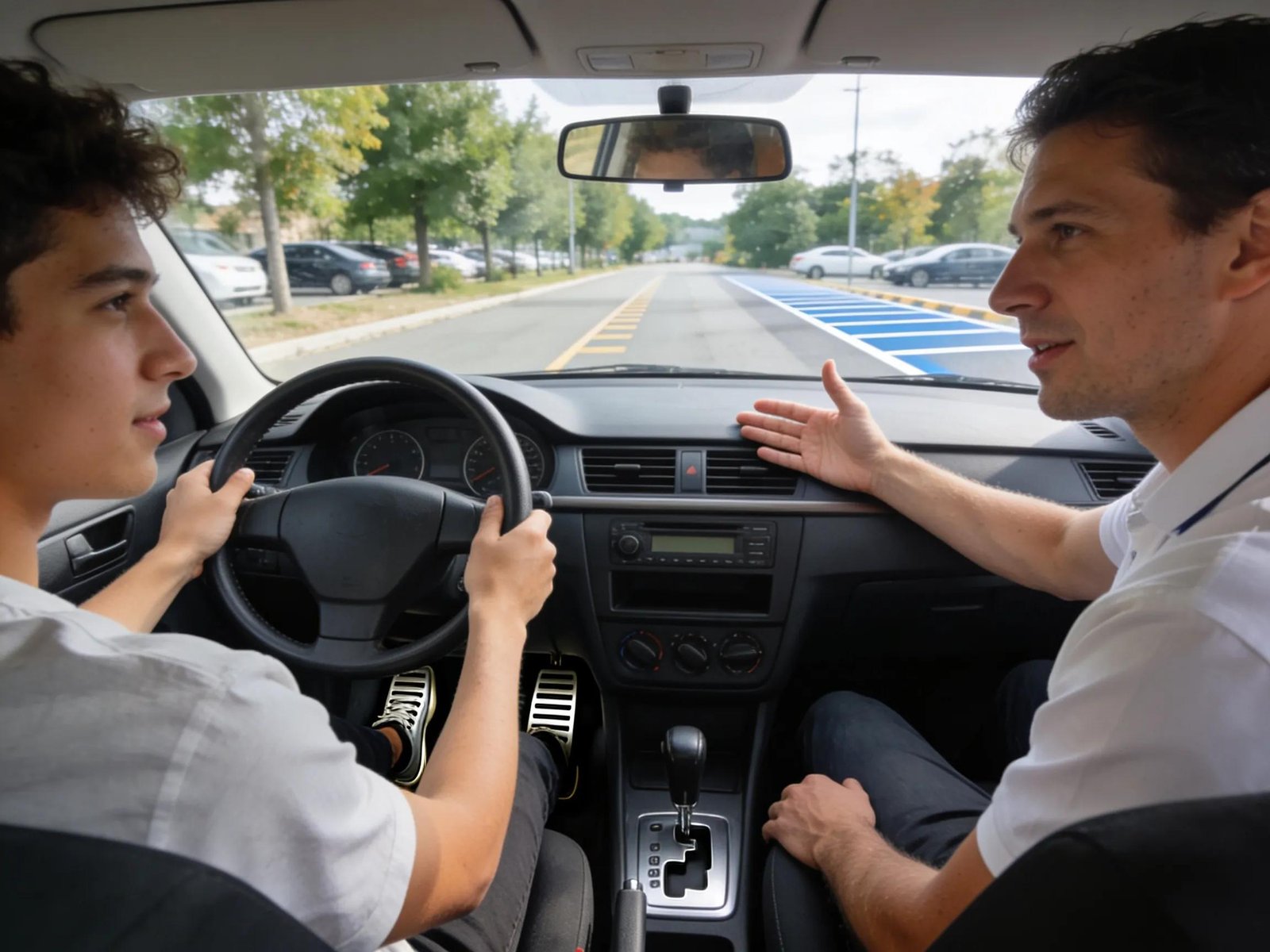
Driving an automatic vehicle contrasts sharply with driving a manual, particularly in the skills required for each. While automatic vehicles are designed to offer ease of use—shifting gears is managed by the car’s computer—manual vehicles demand a higher level of skill from the driver. Key skills include clutch control, gear shifting, and executing downshifts effectively, which may pose challenges for some new learners. However, mastering manual driving can enhance overall driving competence and understanding of vehicle mechanics, which benefits road safety and driver awareness.
Transitioning from automatic to manual, however, is typically smoother for those who have experienced driving automation, instilling confidence in new drivers as they learn to handle additional controls.
Test Requirements:
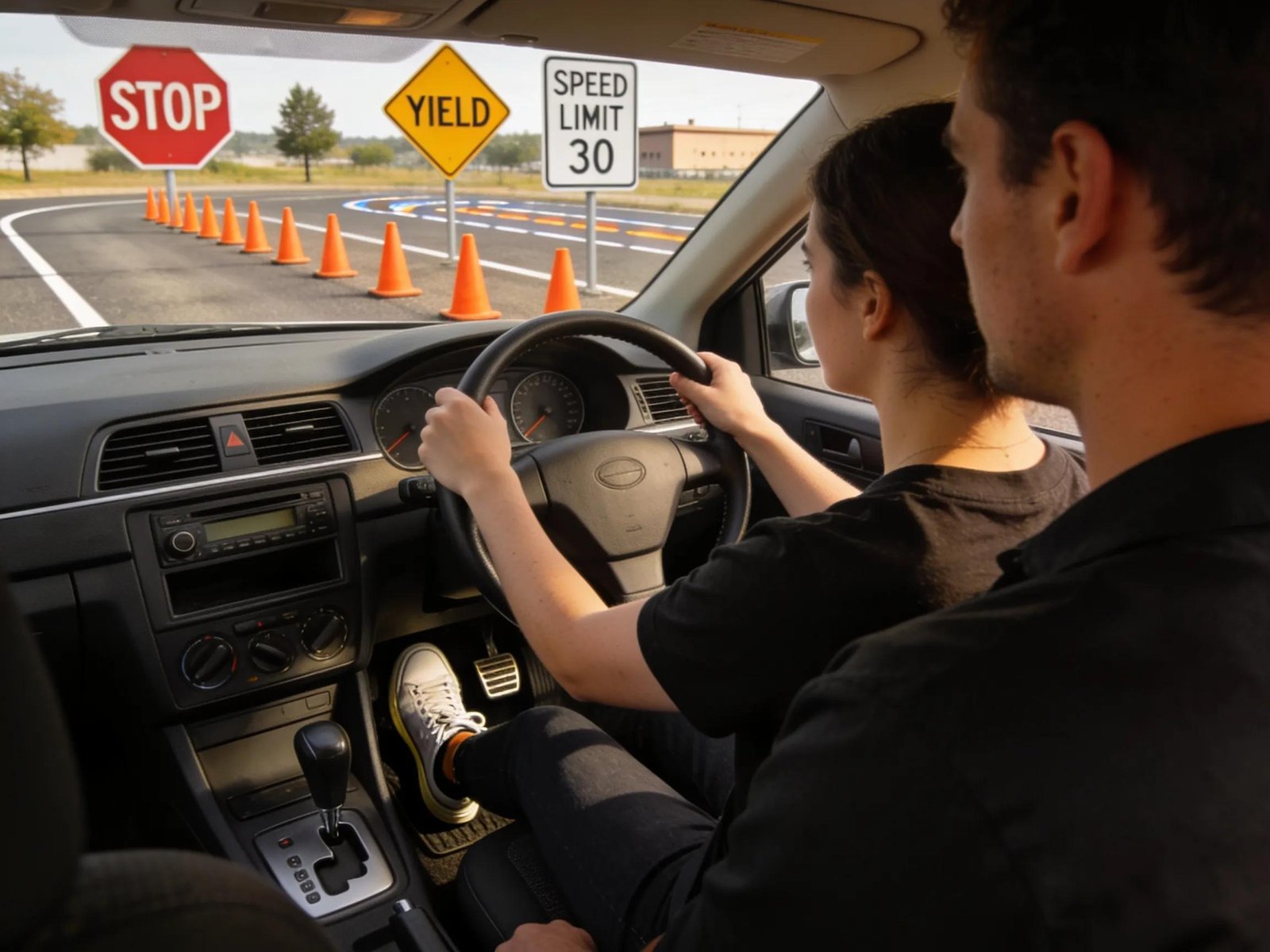
The requirements for taking the driving test in Victoria vary between automatic and manual vehicles. For the automatic driving test, candidates need to demonstrate proficiency in handling an automatic vehicle, focusing primarily on driving competence and road safety. In contrast, the manual driving test requires additional skills, particularly in gear selection and clutch operation, which are assessed in various scenarios, including hill starts and emergency stops.
Fulfilling these requirements is essential not just for passing the test but also for integral components of becoming a skilled driver.
Long-term Implications:
The choice between an automatic and manual licence extends beyond the immediate test requirements; it can impact your career opportunities, vehicle availability, and future driving flexibility.
Career Opportunities:
Holding a manual licence may open doors in industries that require specific vehicle operation, such as construction or agriculture. Many employers favour candidates who can drive both types of vehicles, demonstrating a higher level of competence. Conversely, an automatic licence may limit job prospects in sectors reliant on manual vehicles, thus influencing your career choices.
Vehicle Availability:
The vehicle options available to drivers can be somewhat restricted by licence type. Manual vehicles often encompass a wider array of performance cars and may become increasingly popular as advancements in electric vehicles continue to influence market trends. Understanding these dynamics can guide your licencing decision not just for personal preference but also for future adaptability.
Future Flexibility:
As automotive technology evolves, being well-versed in manual driving can provide future flexibility. With the rise of hybrid and electric vehicles that may incorporate manual controls, having a manual licence could enhance your driving versatility. It prepares you for scenarios where driving a manual vehicle might become necessary or preferred, enabling you to adapt to changing automotive landscapes efficiently.
What Are the Key Differences Between Automatic and Manual Driving Licences in Victoria?
In Victoria, the key differences between automatic and manual driving licences revolve around vehicle capabilities and legal classifications. An automatic licence allows the holder to operate only automatic vehicles, while a manual licence grants the flexibility to drive both manual and automatic vehicles. Knowing these differences is crucial for planning your driving education and future vehicle choices.
What Are the Advantages and Limitations of Each Licence Type for Learner Drivers?
The advantages and limitations faced by learner drivers when choosing between manual and automatic licences are vital points to consider.
For many, learning in an automatic vehicle can alleviate stress and create a more comfortable environment to develop essential driving skills. However, being limited to automatic vehicles can have longer-term implications, especially in a competitive job market where flexibility is advantageous.
What Are the VicRoads Driving Test Requirements for Automatic and Manual Licences?
VicRoads outlines specific requirements for both automatic and manual licence tests. These requirements ensure that all drivers are adequately prepared for safe road use.
- Automatic Driving Test: Candidates must demonstrate control of the vehicle and understanding of traffic rules.
- Manual Driving Test: In addition to standard driving skills, candidates must showcase proficiency in gear selection and clutch management.
Understanding these requirements can help drivers prepare effectively for their tests, resulting in a higher success rate.
How Do Vehicle Types Define Licence Classifications and Driving Test Requirements?
Vehicle type significantly influences licence classifications and the associated test requirements. The categorisation of vehicles dictates what type of test you will undertake if you decide to pursue a manual or automatic licence. A manual vehicle test typically requires additional skills in gear management and vehicle control, while the automatic test focuses more on the ability to operate an automatic transmission effectively.
Understanding this connection can guide prospective drivers in choosing their test type based on their comfort level and future driving needs.
What Testing Procedures Differentiate Automatic from Manual Licence Exams in Victoria?
The testing procedures for automatic and manual licence exams in Victoria are designed to assess each driver’s competencies based on their chosen vehicle type. Manual tests require demonstrating skills such as clutch control and efficient gear changes during various manoeuvres, while automatic tests emphasise driving safety and adherence to regulations. The structured assessment aims to ensure all drivers have the requisite skills for safe road use, tailored to the vehicle they plan to operate.
What Are the Common Challenges and Tips to Pass the VicRoads Driving Test Successfully?
Many learners face challenges when preparing for the VicRoads driving test. Common obstacles include mastering clutch control in manual vehicles and understanding the intricacies of road rules. To enhance your chances of success, consider the following tips:
- Practice Regularly: Frequent driving practice can build confidence and skill.
- Understand Road Rules: A thorough understanding of Victorian road rules is essential for passing the theory component.
- Get Professional Instruction: Enrolling in lessons at a reputable driving school can provide invaluable guidance.
Employing these strategies can ease the learning process and lead to a more successful testing experience.
How Do Driving Lesson Options Vary for Manual and Automatic Licences in Melbourne?
Driving lessons in Melbourne offer differing methodologies and pricing related to whether lessons are targeted at manual or automatic licence students. Generally, manual lessons tend to be more intensive due to the extra skills required, whereas automatic lessons typically follow a more straightforward structure.
Pricing and Lesson Durations
- Manual Lessons: Often longer due to the complexity and deeper understanding required, usually averaging around $150 for 1.5 hours.
- Automatic Lessons: Generally shorter and more affordable, averaging about $120 per hour.
These differences reveal how learning styles and costs can affect the overall educational experience for new drivers.
How Does NDIS Participation Affect Driving Lesson Choices for Learners in Victoria?
The National Disability Insurance Scheme (NDIS) plays a significant role in shaping educational opportunities for many learners in Victoria, particularly those with disabilities. Those engaging with NDIS may have access to specific funding for driving lessons tailored to their needs, influencing their choice of vehicle and type of lessons taken.
What Specialized Driving Support and Services Are Available for NDIS Participants?
Various specialized driving supports exist for NDIS participants, focusing on accessibility and tailored instruction. These services may include:
- Adapted vehicles for lesson purposes.
- Accredited instructors trained to accommodate individual learner needs.
- Customised lesson plans that cater to personal requirements.
These resources facilitate a more inclusive learning environment for learners engaged with NDIS.
How Does NDIS Eligibility Influence Licence Type Selection and Test Preparation?
Eligibility for NDIS can impact the type of licence that learners pursue. Accessing tailored driving lessons funded by NDIS may encourage learners to consider lessons in automatic vehicles for convenience. However, those with the means and support may still elect for a manual licence based on personal and career aspirations.
What Benefits Do Corporate Driver Training Programs Offer for Licence Candidates in Victoria?
Corporate driver training programs provide structured educational frameworks that are advantageous to licence candidates. These programs often combine compliance with practical driving exercises, enhancing safety and regulatory knowledge among employees.
How Do Corporate Driving Lessons Integrate with Manual and Automatic Licence Requirements?
Corporate driver training usually encompasses both manual and automatic vehicle operation, ensuring employees meet industry-specific requirements. This integrated approach ensures that drivers are competent no matter the type of vehicle they are required to operate.
How Can Gift Vouchers Facilitate Access to Driving Lessons for Both Licence Types?
Gift vouchers for driving lessons can provide flexibility and accessibility for new learners looking to engage with either automatic or manual driving lessons.
Advantages of Purchasing Gift Vouchers for Manual and Automatic Driving Lessons:
- Flexibility in Scheduling: Vouchers allow recipients to choose lesson times that fit their individual schedules.
- Encouragement for New Drivers: Gifting lessons can motivate familial support, easing new drivers’ entry into the learning curve.
- Adaptable Use: Vouchers pertain to both manual and automatic lesson options, catering to diverse learning needs.
How Is Pricing Structured for Voucher Packages Covering Different Licence Preparation Services?
Pricing for driving lesson vouchers typically varies based on the type of lesson and duration. Potential candidates may find variations between packages that cater specifically to manual versus automatic lessons, making it essential to compare options before making a purchase.