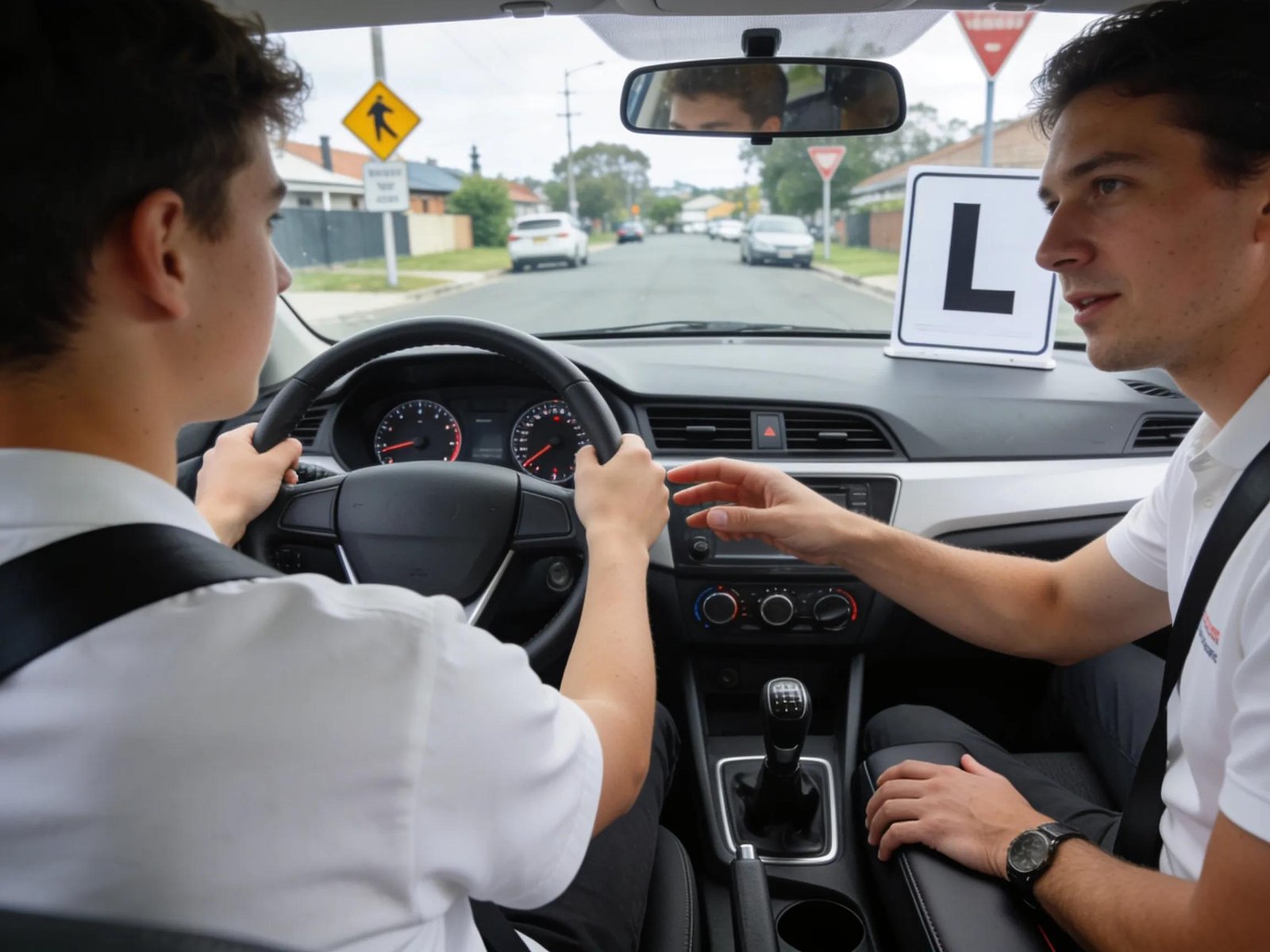
By Eiad Chisty, Your Local Driving Academy
Passing a driving test is a crucial milestone for learner drivers in Melbourne. However, many individuals face challenges that lead to common mistakes during their evaluations. Understanding these pitfalls can improve their chances of success. This article explores frequently encountered errors, their root causes, and effective strategies to avoid them while preparing for the driving test. Given the significant pressure associated with driving assessments, being fully equipped with knowledge is essential. Key areas of focus will include mistake identification, beneficial practices, and the influence of local driving conditions on test outcomes.
Common mistakes that learner drivers make during driving tests in Melbourne include:
Many learner drivers encounter specific mistakes during their driving tests in Melbourne that can jeopardize their success. Recognizing these errors is vital for effective preparation. Key missteps include:
- Poor Observation at Intersections: Failing to notice pedestrians or other vehicles can lead to dangerous situations and possible test failure.
- Ineffective Mirror Use: Not regularly checking mirrors can result in missed hazards that compromise safety during the test.
- Incomplete Stops at Stop Signs: Rolling stops can be considered a serious fault, indicating a lack of control.
- Over/Under Use of Indicators: Incorrect signaling can confuse other road users and is often viewed as a critical error.
- Nervousness: Anxiety can lead to mistakes, affecting performance under test conditions.
- Neglecting Blind Spot Checks: Failing to check blind spots before maneuvering can result in unsafe driving practices.
- Improper Lane Changes: Not following correct lane change protocols can cause disruptions and safety issues.
- Inconsistent Speed Control: Fluctuating speeds may indicate a lack of experience and can be flagged during the assessment.
- Hesitating at Intersections: Indecision at intersections can frustrate other drivers and lead to potential dangers.
- Rushing Parking Maneuvers: Inadequate parking skills can lead to anxiety and unavoidable mistakes on the test.
By recognizing and addressing these common mistakes, learner drivers can build confidence and enhance their chances of passing the driving test.
Tips to Avoid These Pitfalls
To succeed in driving tests, learners must adopt strategic practices that minimize the likelihood of making common mistakes. Here are effective tips:
- Practice Observation Skills: Regularly practice looking well ahead and checking mirrors to improve awareness.
- Do Mock Tests: Simulating test conditions can help familiarize candidates with the driving route and evaluation criteria.
- Know the Rules: Understanding local traffic laws and regulations reduces the chances of making legal errors.
- Stay Calm: Techniques like deep breathing can help manage anxiety and maintain focus during the test.
- Seek Feedback: Regular check-ins with instructors provide insights on areas that need improvement.
- Use Indicators Early: Practice signaling in advance of lane changes to ensure clarity to other drivers.
- Secure Parking Techniques: Dedicate time to refining parking skills to enhance confidence during the test.
Utilizing these strategies, learner drivers can better prepare for potential hazards that may arise during driving tests, which is crucial for their success. For personalized guidance, consider enrolling in courses at Your Local Driving Academy to fine-tune your skills.
What Are the Most Frequent Critical Driving Test Errors in Melbourne?
Critical driving test errors often reflect a lack of foundational driving skills. Some of the most frequent mistakes that learners face during tests in Melbourne include:
- Observation Failures: Missing essential checks can result in immediate test failures.
- Speed Regulation Issues: Not adhering to speed limits can attract immediate attention from examiners.
- Improper Lane Usage: Mispositioning the vehicle in lanes complicates navigation and may endanger other road users.
These errors highlight the significance of thorough preparation before attempting the driving test.
How Do Mirror Checks and Blind Spot Monitoring Failures Impact Test Outcomes?
Mirror checks and blind spot monitoring are critical components of safe driving. Students often neglect these aspects, leading to undesirable results in driving tests. Properly adjusting mirrors allows drivers to have a comprehensive view of their surroundings, minimizing the risk of accidents. Blind spot monitoring is equally essential, as not checking these areas can lead to dangerous lane changes. The failure to demonstrate these checks can result in immediate points deduction, impacting the overall test performance.
Why Are Incorrect Speed Control and Signaling Among Top Fail Reasons?
Speed control and signaling constitute fundamental elements of safe driving and are often scrutinized during driving tests. Incorrect speed control reflects a lack of awareness regarding road conditions and can indicate inexperience. Similarly, improper signaling can cause confusion among other drivers, compromising road safety. Examiners pay close attention to how consistently a learner maintains speed limits and uses indicators. Mastering these techniques significantly enhances a learner’s chances of passing the driving assessment.
How Do Melbourne’s Specific Licensing Requirements Influence Common Driving Test Mistakes?
Melbourne’s driving test is known for its stringent licensing requirements, which shape common mistakes that learners may encounter. For instance, the need for precise navigation through crowded urban areas often leads to errors from nervousness. Additionally, the unique traffic patterns and road conditions in Melbourne can pose challenges. Understanding these specific requirements can better prepare learners for tackling local driving assessments more proficiently.
What Are Typical Pitfalls Related to Local Road Rules and Conditions?
Adapting to local road rules is essential for passing driving tests in Melbourne. Common pitfalls include:
- Misunderstanding Traffic Signs: Confusion over sign meanings can result in violations.
- Inability to Navigate Roundabouts: Learners often struggle with right-of-way rules in roundabouts, compromising safety.
- Failure to Acknowledge Pedestrian Rights: Not yielding to pedestrians at crosswalks can lead to penalties or failures.
Becoming familiar with these local road rules and conditions helps learners to adapt and perform better during driving tests.
How Can Learner Drivers Adapt to Melbourne’s Driving Test Route Challenges?
Learner drivers can enhance their adaptability to Melbourne’s driving test routes by engaging in structured practice. Enrolling in driving lessons that cover various routes exposes learners to different driving environments. Regular practice in peak traffic times can also help to understand the real-time challenges faced during assessments. Comprehensive preparation addressing local challenges is key to building driving confidence.
How Can Tailored Driving Lessons for NDIS Participants Minimize Test Errors?
For NDIS participants, customized driving lessons can make a significant difference in minimizing test errors. These tailored lessons focus on individual needs and provide specialized instruction that accommodates varying skill levels. By addressing the specific challenges faced by NDIS learners, instructors can foster a supportive environment that enhances learning and promotes driving competence.
What Customized Supports Improve Driving Competence for NDIS Learners?
Customized supports suited for NDIS participants play a crucial role in building driving competence. These supports might include:
- Adapted Instruction Techniques: Approaches that cater to individual learning styles can improve understanding.
- Use of Assistive Technologies: Vehicle modifications and assistive devices can enhance safety.
- Regular Feedback: Constructive guidance from instructors enhances learning and reduces errors made during practice sessions.
Implementing these supports can facilitate better learning outcomes for NDIS participants in driving education.
How Do Expert Instructors Address Common Mistakes Specific to NDIS Drivers?
Expert instructors possess the skills to identify and mitigate common mistakes that NDIS learners may encounter during driving tests. They implement tailored feedback that focuses on areas of difficulty, ensuring students grasp essential driving principles effectively. Additionally, instructors address the psychological aspects of taking the test by instilling confidence and providing ample practice opportunities in a supportive environment.
What Are the Benefits of Corporate Client Driver Safety Training for Test Success?
Corporate clients benefit from driver safety training programs that emphasize practical skills. These programs concentrate on areas critical for driving test success, including:
- Safety Regulations: An emphasis on compliance with traffic laws.
- Emergency Procedures: Knowing what to do in unexpected situations.
- Defensive Driving Techniques: Enhancing awareness to mitigate risks on the road.
By integrating these aspects into training sessions, corporate clients prepare participants more effectively for successful evaluations.
How Does Corporate Training Address Common Driving Faults and Compliance?
Corporate training specifically targets common driving faults and reinforces compliance with local regulations. Through structured lessons, participants learn about best practices for maintaining safe driving habits while understanding the legal requirements. This specialized focus assists participants in reducing errors that typically lead to test failures, thereby improving their overall performance.
What Driving Test Preparation Courses Are Recommended for Business Clients?
Business clients seeking effective driver test preparation courses can choose from various tailored options. These courses often focus on the specific needs of corporate environments, providing relevant scenarios and legal requirements that are vital for test success. Classes are structured to accommodate knowledge gaps, ensuring participants receive comprehensive training and practice. For tailored driving lessons and preparation, consider services from Your Local Driving Academy.
How Can Learners Effectively Prepare to Avoid Common Driving Faults?
To effectively prepare, learner drivers must employ structured strategies aimed at minimizing common driving faults, including:
- Regular Practice: Consistent practice helps refine driving skills, making candidates more adept.
- Self-Assessment: Reflection on driving sessions enables learners to identify weaknesses and focus on specific areas of improvement.
- Utilization of Resources: Leveraging study materials and instructional videos can reinforce learning.
These strategies provide learners with essential tools to succeed in their driving tests.
What Are Key Components of Comprehensive Driving Test Preparation Courses?
Effective preparation courses should encompass several key components, including:
- Structured Lesson Plans: Well-organized structures facilitate progressive learning.
- In-Depth Knowledge of Road Rules: Familiarity with regulations is crucial for compliance.
- Simulator Training: Utilizing driving simulators for real-world experiences enhances practical learning.
These components ensure learners are well-prepared for the rigors of the driving test.
How Do Practice Sessions and Instructor Feedback Reduce Failure Rates?
Utilizing practice sessions and constructive feedback significantly decreases failure rates for driving tests. Regular feedback from an experienced instructor provides insights into performance and areas needing improvement. This guidance not only builds confidence but also instills a deeper understanding of driving requirements, which is instrumental for success on the day of the test.
What Role Do Gift Vouchers Play in Accessing Professional Driving Lessons?
Gift vouchers for driving lessons serve multiple functions in the learning process. They provide:
- Flexibility in Scheduling: Learners can book lessons at their convenience to accommodate various commitments.
- Encouragement for New Learners: The prospect of receiving a voucher can motivate individuals to begin their driving education.
- Financial Options: Vouchers can reduce financial barriers, allowing access to professional instruction.
Utilizing gift vouchers effectively encourages learners to undertake lessons, ultimately enhancing their driving preparedness.
How Can Gift Vouchers Facilitate Booking Driving Test Preparation Lessons?
Gift vouchers streamline the booking of driving test preparation lessons, providing learners with several advantages. The process of redemption is typically straightforward, enabling users to schedule lessons without unnecessary complications. This flexibility allows learners to align their test preparation with their personal schedules, making it easier to commit to learning.
What Are the Terms and Validity Periods for Driving Lesson Gift Vouchers?
Driving lesson gift vouchers typically come with specific terms and conditions. Understanding these terms is essential for maximizing their utility, including:
- Redemption Period: Many vouchers must be used within a defined timeframe to remain valid.
- Usage Conditions: Certain vouchers may limit the types of lessons available or require prior booking.
- Variability in Voucher Types: Different vouchers may offer varying benefits, reflecting diverse course offerings.
Becoming familiar with these details ensures learners can utilize vouchers effectively for their driving test preparation needs.
What Are the Most Common Reasons for Failing Driving Tests in Victoria?
Common reasons for failing driving tests in Victoria often depict critical gaps in learner driver preparation. These include:
- Failure to Monitor Surroundings: Not using mirrors or checking blind spots can lead to immediate fails.
- Speed Control Errors: Driving above or below posted speed limits suggests inadequate control over the vehicle.
- Improper Stops and Starts: Failing to come to a complete stop at signals can indicate risky driving behavior.
Understanding these reasons empowers learners to concentrate their training efforts effectively.
Which Driving Fault Categories Have the Highest Impact on Test Failures?
Research has shown that particular fault categories maintain a high impact on driving test outcomes. These include:
- Observation Errors: Missing critical checks during driving can significantly influence overall performance.
- Speed Regulation Issues: Inconsistent speed control can result in immediate failures of the driving test.
- Improper Lane Usage: Incorrect lane changes or positioning can raise serious safety concerns during the assessment.
Addressing these categories is crucial for learners aiming to pass their driving evaluations.
What Constitutes an Automatic Fail During the Driving Test?
Certain actions during a driving test can lead to an automatic fail, regardless of overall performance. Key behaviors include:
- Running Red Lights: Ignoring traffic signals demonstrating a serious disregard for road rules.
- Causing an Accident: Any involvement in an accident generally results in immediate failure.
- Dangerous Driving: Exhibiting reckless behaviors such as excessive speeding can reflect fatal errors.
Awareness of these conditional causes bestows learners the ability to focus their practices adequately.
How Can Learner Drivers Monitor and Correct Their Critical Driving Errors?
Monitoring driving performance requires learners to cultivate self-awareness and adaptability. Strategies may include:
- Soliciting Feedback: Regular input from instructors aids in identifying and correcting mistakes early on.
- Self-Assessment Tools: Utilization of checklist tools can enable learners to remain conscious of their driving habits.
- Real-Time Correction Techniques: Practicing corrections during driving sessions encourages adaptability and improvement.
These methods empower learners to maintain awareness of their driving habits.
What Checklists and Self-Evaluation Tools Support Fault Detection?
Proper tools and frameworks significantly facilitate driver self-evaluation processes. Checklists should include crucial evaluation points such as:
- Pre-Drive Inspection: Confirming vehicle setup and safety features before driving.
- Driving Technique Assessment: Evaluating observance, speed management, and signaling during driving.
- Post-Drive Self-Reflection: Analyzing the driving experience post-session provides actionable insights for correction.
These techniques are integral to honing essential driving skills and minimizing faults.
How Can Video Demonstrations Enhance Understanding of Proper Driving Techniques?
Video demonstrations serve as valuable educational tools for visualizing proper driving techniques. Benefits might include:
- Illustrating Key Concepts: Videos enable learners to observe correct techniques in real-time scenarios.
- Engagement and Retention: The visual format can help maintain learner engagement, enhancing the retention of critical information.
- Reinforcing Instruction: Supplementary video resources affirm concepts taught during driving lessons, improving overall understanding.
These resources can significantly enhance the learning process, enabling better performance on driving assessments.