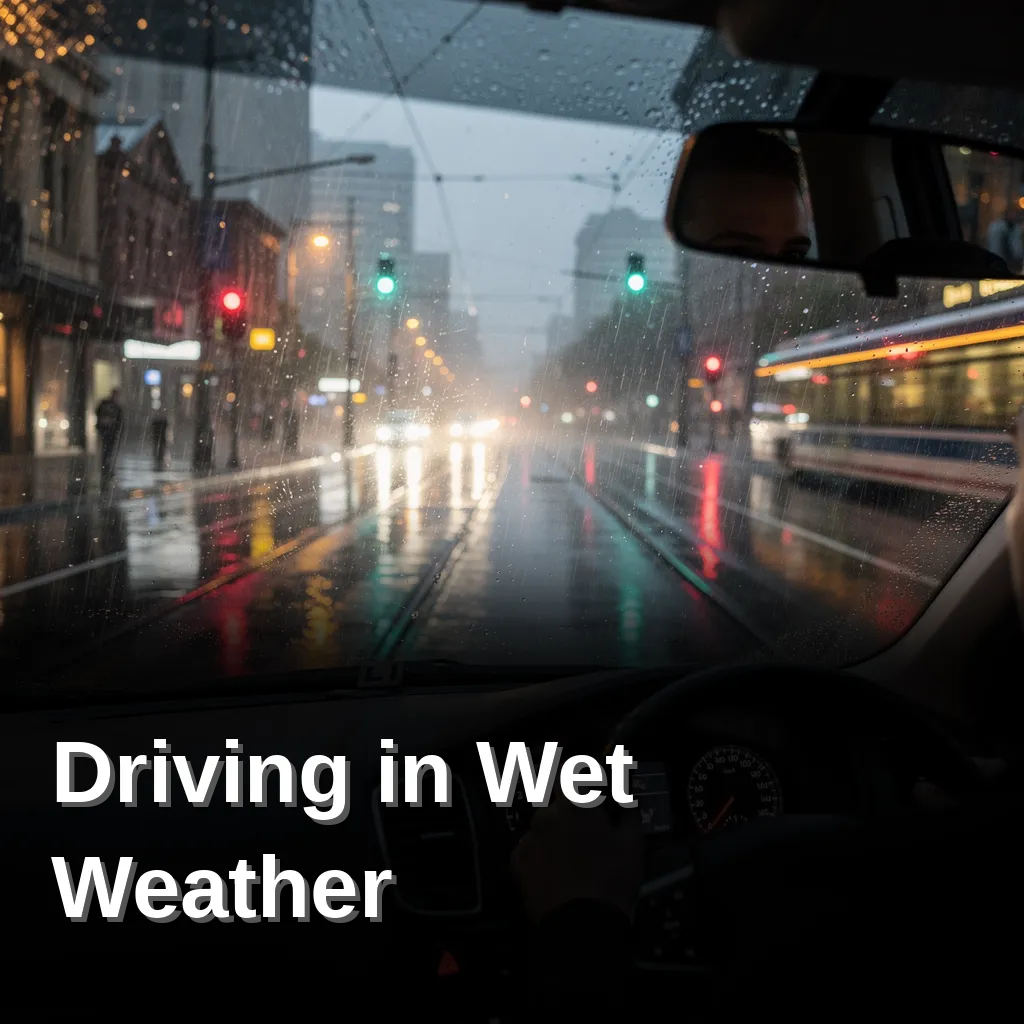
By Eiad Chisty, Your Local Driving Academy
Driving in wet weather and low visibility poses significant challenges, particularly for learner drivers in Melbourne. As conditions vary, understanding the safety measures for navigating these situations is essential. This “safety guide” aims to equip learners with vital knowledge on how to drive safely in adverse weather, focusing on practical tips and best practices relevant to Melbourne’s conditions. The emphasis is on preventing accidents and enhancing driver awareness, crucial for new drivers facing these hurdles.
In this article, we will explore essential safety tips, best practices, legal considerations, and the advantages of appropriate driving training. From strategies to manage speed and braking distance to understanding visibility challenges and the importance of using headlights properly, this guide is designed to empower learner drivers. Furthermore, we’ll discuss the offerings from Your Local Driving Academy, which can enhance practical skills in wet conditions and support diverse learner groups.
Melbourne Road Safety Guide for Learner Drivers: Driving in Wet Weather and Low Visibility
Driving in wet and low-visibility conditions requires increased attention and adaptation of techniques, particularly for learner drivers. Awareness of road conditions and potential hazards can significantly reduce the risk of accidents. It’s vital for novice drivers to understand how weather conditions impact driving dynamics and what adjustments are necessary for safe travel. In Melbourne, where sudden rain squalls can occur, having a complete grasp of these driving principles is essential.
Research underscores the direct link between clear visibility and the ability of drivers to operate vehicles safely during inclement weather.
Improving Road Safety in Low Visibility and Rain Visibility in particular is critical to the task of driving and reduction in visibility due FS or other weather events such as HR is a major factor that affects safety and proper traffic operation. A real-time measurement of visibility and understanding drivers’ responses, when the visibility falls below certain acceptable level, may be helpful in reducing the chances of visibility-related crashes. Improving Traffic Safety And Drivers’ behaviour In Reduced Visibility Conditions, HM Hassan, 2011
The initial step for learner drivers is recognising the importance of adjusting their driving approach based on weather conditions. This can include moderating speed, enhancing observation, and being prepared for quick decision-making. Significantly, learner drivers should continuously practice these skills during “training sessions”, which can be tailored to include varying weather scenarios.
Essential Safety Tips:
- Aquaplaning Prevention: Maintain adequate distance from other vehicles to avoid the risk of losing control due to water on the road. Reducing speed when roads are wet can help prevent hydroplaning.
- Braking Distance Management: Understand that stopping distances increase in wet conditions. Keeping a safe distance from the vehicle in front will allow for adequate reaction time.
- Effective Lighting Use: Always use headlights in low visibility conditions, such as rain or fog, to enhance your visibility to other drivers.
- Navigating Slippery Tram Tracks: Be cautious around tram tracks, especially when wet, as they can be particularly slippery and hazardous for vehicles.
- Adjusting for Rapid Weather Changes: Stay alert as conditions can change rapidly; be prepared to adjust your speed and driving technique accordingly.
Best Practices:
- Speed Management: Adapting your speed to the conditions is crucial. Reducing speed not only benefits reaction time but also stability.
- Maintain Forward Vision: Use your mirrors effectively and keep your vision clear of distractions to anticipate hazards ahead.
- Emergency Maneuvers: Familiarize yourself with emergency braking techniques and how to steer out of skids safely.
- Blind-Spot Checks: Always check your blind spots before changing lanes or making turns, as visibility can be particularly compromised during adverse weather.
- Use of Mirrors: Regularly check your mirrors to keep abreast of surrounding traffic and potential threats in low-visibility situations.
Your Local Driving Academy recognises the unique challenges posed by wet weather and offers tailored driving lessons to address these specific skills. This hands-on training is vital for learner drivers looking to build “confidence and competence” in varied weather conditions.
Legal Considerations:
- Road Rules Compliance: Ensure you are familiar with the legal requirements for driving in adverse weather conditions in Victoria, including speed limits and adjustments.
- Postponing Driving: If conditions are severely hazardous, consider postponing your travel plans. Safety should always be the priority.
- Vehicle Readiness: Regular checks on your vehicle’s effectiveness in rain, such as brake performance and tire tread depth, are essential for safe driving.
- Insurance Awareness: Verify that your insurance covers incidents that may occur during adverse weather, as driving in rain increases accident risks.
Deepening Understanding of Hydroplaning and Vehicle Control
Hydroplaning occurs when a layer of water builds up between the vehicle’s tires and the road surface, causing a loss of traction that can lead to a complete loss of steering and braking control. The thickness of this water film is critical; even a few millimetres can be enough to cause hydroplaning under the right conditions. Adequate tire tread depth is essential for channeling water away and maintaining grip—Victoria’s minimum tread depth is 1.5 mm, but deeper tread (around 3 mm or more) significantly improves wet-weather performance.
When hydroplaning occurs, the driver experiences a slick, floating sensation, and the vehicle no longer responds to steering input. The correct recovery action is:
- Do not slam on the brakes. Abrupt braking can exacerbate loss of control.
- Gradually ease off the accelerator to reduce speed without sudden deceleration.
- Hold the steering wheel straight and steady; avoid sharp or sudden movements until the tires regain road contact.
- Once traction returns, gently steer and adjust speed as necessary.
Understanding these dynamics is crucial for learner drivers, who must develop the composure and technique to manage hydroplaning safely.
Melbourne Wet Road Hazards and Tram Tracks: Navigating Hidden Dangers
Melbourne’s road environment presents unique hazards in wet conditions, especially relating to tram infrastructure and natural debris. Steel tram rails become ultra-slick when wet, causing significant traction loss for vehicles crossing them. Learners should brake well before tram crossings and avoid braking while crossing tram tracks to maintain stability.
Similarly, painted road markings and pedestrian crossings are more slippery in rain and can lead to reduced traction, especially when accelerating or braking. Attention to gradual acceleration and deceleration is essential around these zones.
During autumn and winter, leaf litter can accumulate on sidewalks and gutters, sometimes blown onto road surfaces. When wet, these leaves create slippery patches that can catch unwary drivers, creating potential skid zones on city streets and residential areas.
Melbourne Road Safety: Mastering Wet Weather and Low Visibility
In dry conditions, the recommended safe following distance is a 2-second gap. In wet weather, due to reduced tire grip and longer braking distances, this should be doubled to at least 4 seconds. This ensures adequate time for reaction and braking.
Reaction time typically remains around 1 to 1.5 seconds, but braking distance increases substantially on wet asphalt. For example:
- At 60 km/h, stopping distance on dry road is about 19 meters, increasing to approximately 38 meters or more on wet surfaces.
- At 100 km/h, dry stopping distance can be around 57 meters, while wet conditions can more than double this distance, exceeding 100 meters.
Maintaining the 4-second gap allows for these increased distances and fluctuating conditions. Learner drivers must practice conscious distance-keeping to reduce accident risk.
Windshield Demisting and Climate Control Protocols for Optimal Visibility
Maintaining a clear windshield during Melbourne’s wet and cool weather requires correct vehicle HVAC operation:
- Air Conditioning ON: Using air conditioning even in cool weather dehumidifies incoming air, reducing interior fog buildup.
- Fresh Air Intake: Select fresh air mode rather than recirculation to avoid humidifying the cabin further.
- Rear Window Demister: Activate the rear window defroster to maintain clear rear visibility.
- Wiper Blade Maintenance: Regularly inspect and clean wiper blades; replace them if they leave streaks or miss sections, as this impairs visibility significantly.
- Streak-Free Windscreen Cleaning: Use appropriate glass cleaners and a microfiber cloth to prevent smears that reduce clarity in rain and at night.
Driving Through Standing Water and Flash Flooding: Key Risks and Victorian SES Guidelines
Standing water presents numerous hidden dangers, including potholes, submerged debris, and the risk of vehicle engine hydrostatic lock, which can lead to costly damage and dangerous breakdowns. Learners are cautioned to avoid driving through water of unknown depth.
The Victorian State Emergency Service (SES) firmly advises: “If it’s flooded, forget it.” Never attempt to drive through flooded roads where water covers the pavement as unexpected depth and current forces can immobilise vehicles and risk lives.
Sudden Melbourne Storm Protocol: Handling Rapid Weather Changes
Melbourne’s infamous “four seasons in one day” weather can lead to sudden downpours, impacting visibility and road conditions dramatically, especially on major arterials such as the Monash, Tullamarine, and Nepean Highways. Drivers should:
- Turn on low-beam headlights immediately during heavy rain; do not rely on parking lights or daytime running lights alone, as they do not provide sufficient lighting or visibility.
- Adjust speed promptly to maintain control and extend stopping distances.
- Locate safe pull-over areas before visibility drops below 50 meters, such as rest stops or emergency bays, to wait out intense weather safely.
Structured FAQ: Your Questions on Melbourne Wet-Weather Driving Answered
What is the best way to avoid hydroplaning on Melbourne roads?
Slow down significantly when roads are wet, ensure tires have adequate tread depth (preferably above 3 mm), avoid sudden steering or braking inputs, and maintain a steady, straight steering approach if hydroplaning occurs.
How do tram tracks impact vehicle safety in the rain?
Tram tracks become extremely slippery when wet. Reduce speed before crossing, avoid braking while on the tracks, and steer smoothly to maintain traction and stability.
Why should I follow a 4-second gap in wet conditions?
A 4-second gap compensates for reduced tire grip and increased stopping distances on wet roads, giving you more reaction time and space to stop safely.
How do I prevent my windshield from fogging up in cold rain?
Activate air conditioning with fresh air intake, use the rear window demister, and maintain your wiper blades in good condition to keep your visibility clear and streak-free.
Is it ever safe to drive through flooded roads in Melbourne?
No. Follow SES guidelines strictly: never drive through flooded roads due to the risk of hidden hazards and engine damage; always find an alternative route.
What should I do if a sudden storm reduces visibility drastically while driving on a highway?
Turn on low-beam headlights immediately, reduce your speed, maintain a safe distance from others, and if visibility drops below 50 meters, safely pull over to a secure location and wait until conditions improve.
How often should I replace my wiper blades for effective wet weather driving?
Ideally, replace wiper blades every 6 to 12 months or sooner if they leave streaks, squeak, or fail to clear water effectively.
Can ABS and traction control systems help during Melbourne’s wet weather conditions?
Yes, ABS prevents wheel lockup during braking, allowing you to maintain steering control, and traction control helps minimise wheel spin. However, these systems are aids, not substitutes for cautious, skilled driving.
What Are the Key Risks of Driving in Wet Weather and Low Visibility in Melbourne?
Driving in wet conditions introduces several risks, particularly related to traction and visibility. The primary concerns include:
- Reduced Traction: Wet roads reduce tire grip, affecting the vehicle’s ability to stop and steer effectively. Caution is necessary, especially during the initial rain when oils on the road can create slick surfaces.
- Increased Stopping Distances: Anticipate longer braking distances when conditions are wet; it’s essential to begin braking earlier than you would normally.
- Visibility Problems During Fog and Rain: Low visibility can lead to misjudging distances and speeds, making it crucial to adjust driving behaviour accordingly.
- Impact of Wind on Vehicle Stability: Strong winds can impact vehicle control, particularly for lighter vehicles; maintain a firm grip on the steering wheel.
How Do Wet Road Conditions Affect Vehicle Control and Traction?
Wet conditions significantly influence vehicle dynamics, primarily through the mechanisms of hydroplaning and decreased friction. Hydroplaning occurs when water builds up between the tires and the road surface, leading to a loss of steering and braking control. Understanding this phenomenon helps drivers to adapt their driving style, such as gently easing off the accelerator and avoiding sharp turns or sudden movements. Additionally, learner drivers should learn how to recognise early signs of traction loss, helping them regain control in critical moments.
What Visibility Challenges Are Common in Melbourne’s Weather Patterns?
Melbourne’s variable weather can lead to sudden changes in visibility, significantly affecting driving conditions. Fog can reduce visibility to below 100 meters, while heavy rainfall can further obscure the driver’s view. These changes necessitate that drivers remain vigilant and adjust their speed to maintain a safe distance from the vehicle ahead. Using fog lights effectively in dense fog can also enhance safety, as it improves your visibility without further reducing that of others.
Which Practical Techniques Ensure Safe Driving in Wet Weather Conditions?
Effective driving in wet conditions involves several practical techniques designed to ensure safety:
- Hydroplaning Management Techniques: Slow down in heavy rain to prevent losing control and avoid sudden movements that could lead to skidding.
- Braking Distance Adjustments: Increase your following distance to adapt to longer stopping distances required in wet conditions.
- Visibility Enhancement Strategies: Use headlights and windshield wipers effectively to improve your own visibility while ensuring that you are visible to other drivers.
How Should Learner Drivers Adjust Braking, Steering, and Speed on Wet Roads?
Learner drivers need to be particularly cautious in how they approach braking, steering, and speed during inclement weather. The key adjustments include:
- Recommendations for Braking: Applying brakes gradually can prevent skidding, and avoiding abrupt stops allows for smoother control.
- Steering Adjustments for Skid Recovery: If skidding occurs, steer gently into the skid to regain control of the vehicle.
- Speed Modification Guidelines in Wet Conditions: Reduce speed significantly in wet weather; comfortable handling is prioritised over speed.
What Vehicle Controls and Safety Systems Assist in Wet Weather Driving?
Modern vehicles come equipped with several features that enhance safety during wet driving conditions. Key vehicle controls and safety systems include:
- Overview of ABS and Traction Control: Anti-lock braking systems (ABS) prevent wheel lock-up during heavy braking, while traction control helps maintain grip.
- Importance of Good Tire Maintenance: Ensuring tires are adequately treaded and inflated is critical for maximising grip and minimising the risk of hydroplaning.
- Role of Headlights and Wipers: Utilizing headlights enhances visibility in poor weather while functioning windshield wipers are essential for maintaining clear sightlines.
How Can Drivers Overcome Low Visibility Challenges in Melbourne?
Overcoming the challenges posed by low visibility requires tactical adjustments in driving behaviour:
- Using Fog Lights Properly: Fog lights should be employed in conditions where visibility is severely limited, as they provide a wider, lower beam that reduces glare.
- Adjusting Driving Behaviour in Poor Visibility: Lower speeds and increased following distances are paramount in maintaining safety.
- Emergency Handling Procedures: Having a plan for how to respond to unexpected reduced visibility, such as safely pulling over when conditions become hazardous, is crucial.
What Are the Best Practices for Headlight Use and Fog Navigation?
- Utilizing Low-Beam Lights Effectively: Low beams offer improved visibility without reflecting off rain or fog to create a glare.
- Safety Distance Maintenance: Keep a safe distance from the vehicle in front, adjusting immediately if visibility decreases.
- Visibility Checks: Regularly check your headlights and taillights to ensure they are functioning properly, as this greatly affects safety in low visibility scenarios.
How Should Drivers Adapt to Nighttime and Inclement Weather Visibility?
Adapting to nighttime driving and inclement weather entails understanding how to manage visibility challenges:
- Speed Adaptations for Nighttime Driving: Reduce speed significantly after dark, as visibility is inherently reduced.
- Managing Hydroplaning Risks: Slow down when you encounter standing water, and avoid sudden directional changes that could lead to skidding.
- Preparation for Storms and Heavy Rain: Always check the forecast and prepare for changing conditions; have a plan for when to delay travel during severe weather.
What Are the Requirements and Preparation Strategies for Driving Tests in Variable Weather?
Understanding driving test requirements is crucial for learner drivers preparing for assessments under variable weather conditions:
- Specific Weather Condition Requirements in Tests: Learners are often assessed on their ability to control the vehicle in wet conditions, highlighting the importance of practice.
- Importance of Practical Lessons: Engaging in practice sessions in various weather conditions can bolster confidence and reduce test anxiety.
- Assessment of Learner Capabilities: Thorough preparation under diverse driving conditions allows instructors to evaluate readiness effectively.
Are There Specific Wet Weather Conditions Tested in Melbourne Driving Exams?
Driving exams often incorporate wet weather scenarios as part of the assessment process. Learners must demonstrate control and understanding of managing specific risks associated with wet roads. Awareness of road conditions and the ability to adapt technique accordingly are evaluated during these tests.
How Can Practical Lessons Enhance Driving Test Success in Challenging Weather?
Practical lessons that focus on wet-weather driving can significantly improve a learner’s performance. By practicing under these conditions, learners can develop a deeper understanding of vehicle dynamics, enhancing their confidence and preparedness for the driving test. Tailored lessons provide the opportunity to address individual skill gaps while reinforcing best practices.
What Are the Available Driving Lesson Packages and Gift Voucher Options for Wet Weather Training in Melbourne?
Your Local Driving Academy offers specialized driving lesson packages catered to wet weather training. These packages provide flexible and personalized training options that enhance driver safety and proficiency during challenging weather conditions.
How Do Personalized Wet Weather Driving Lessons Cater to Learner Needs?
Personalized driving lessons consider each learner’s unique needs and challenges. By tailoring sessions to focus on specific handling techniques and situational awareness, drivers gain confidence and skills for wet weather navigation.
What Is the Process for Purchasing and Redeeming Driving Gift Vouchers?
Purchasing and redeeming driving gift vouchers is straightforward at Your Local Driving Academy. Prospective students can buy vouchers online, making it easy to gift transformative driving skills to others. Vouchers can be redeemed by the recipient for designated training sessions that best suit their learning journey.
How Does Your Local Driving Academy Support Diverse Learner Groups Including NDIS and Corporate Clients?
Your Local Driving Academy is committed to inclusivity, providing tailored driving instructions to diverse learner groups, including those under the NDIS. This dedication ensures that all learners receive training tailored to their specific needs, fostering confidence and skill acquisition.
What Customised Instruction Is Available for NDIS Participants?
Customised instruction for NDIS participants entails adapting driving techniques and lesson plans to meet the individual needs of those with disabilities. This enhances the learning experience, making driving accessible and achievable.
How Are Corporate Training Programs Structured for Wet Weather Driving?
Corporate training programs at Your Local Driving Academy emphasise group collaboration and flexibility within scheduling. These programs are designed to provide ample practice in wet conditions, ensuring employees are well-prepared for the challenges they might face on the road.