By Eiad Chisty, Your Local Driving Academy
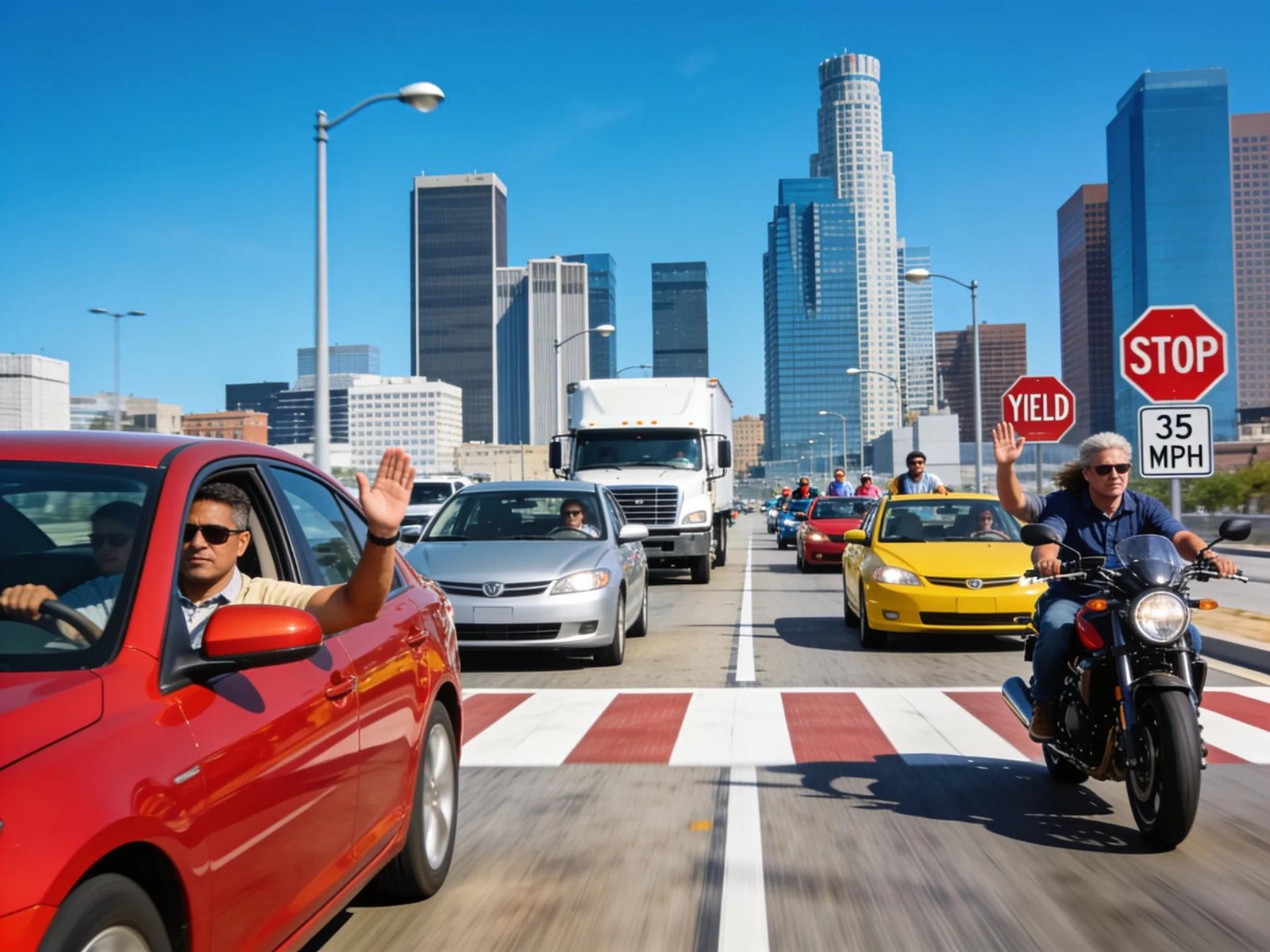
In today’s challenging driving environments, mastering advanced defensive driving skills through a defensive driving course Australia is essential to elevate your safety and hazard awareness. This comprehensive guide is tailored for drivers navigating Melbourne and the wider Victorian road systems, where complex traffic conditions and variable weather require heightened attentiveness. We explore key safe driving techniques, advanced hazard perception driving strategies, and practical advice for handling metropolitan and freeway challenges, particularly on routes such as Monash M1, EastLink M3, and Western Ring Road M80.
Emphasising space cushion management, effective scanning methods, and adapting to Melbourne’s unique conditions such as tram track hazards, sudden heavy rain, fog, and aquaplaning risks, this article prepares drivers for both daily commutes and formal assessments like the Victorian Hazard Perception Test (HPT). We also detail the benefits of accredited defensive driving lessons from Your Local Driving Academy, including dual-control safety vehicles and personalised coaching designed specifically for Melbourne’s diverse driving landscape.
Understanding Hazard Perception Driving and Preparing for the Victorian Hazard Perception Test (HPT)
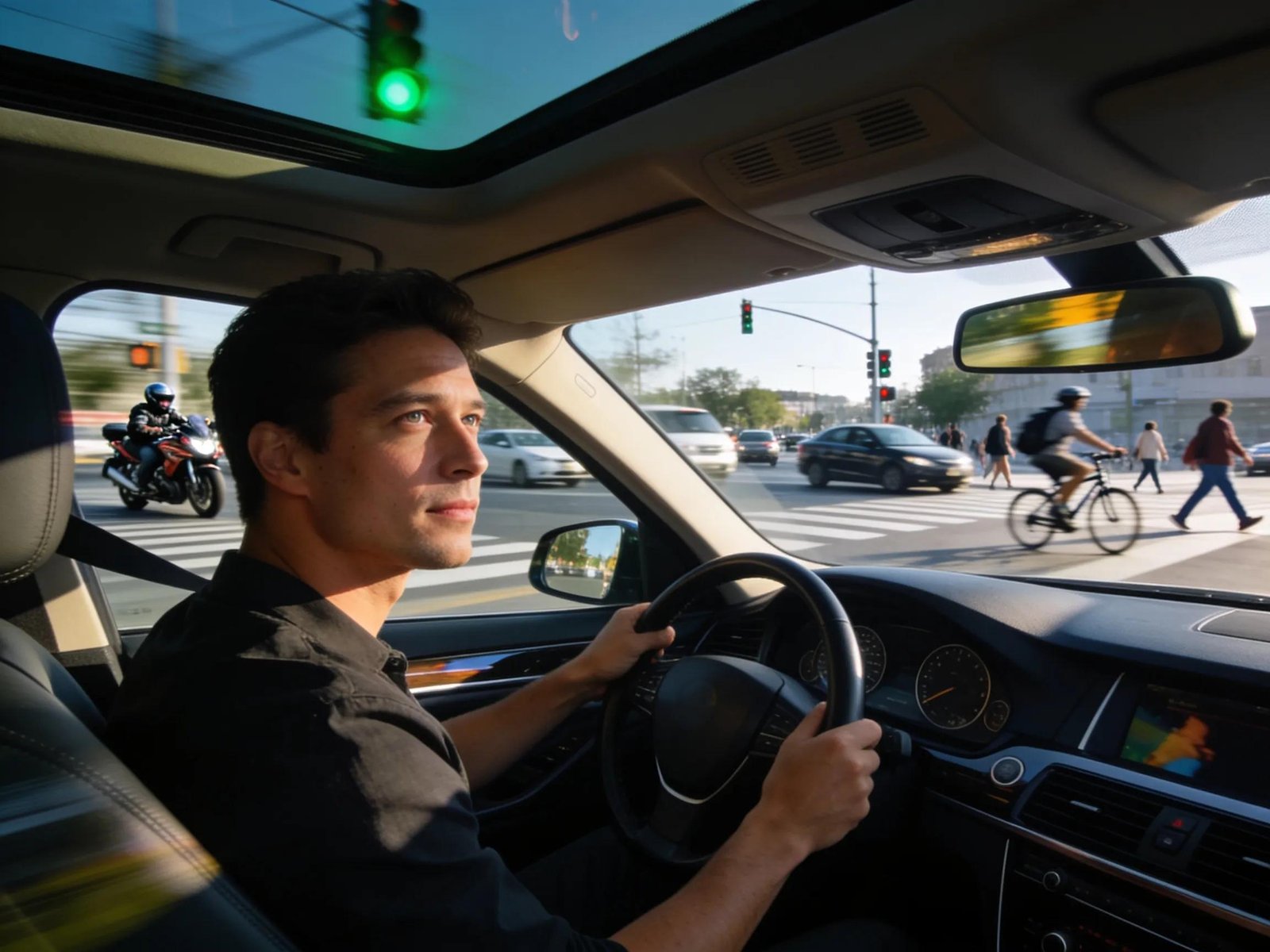
Hazard perception driving is critical for recognising potential dangers early and responding effectively. The Victorian HPT challenges learners with simulated real-life scenarios requiring quick hazard identification and sound decision-making.
Preparing for the HPT involves learning to scan 12-15 seconds ahead to anticipate risks, understanding decision-making matrices to prioritise responses, and practising situations common to Melbourne, such as negotiating busy intersections with tramway systems and reacting to sudden weather changes. Defensive driving courses emphasise these adaptable skills, helping learner and probationary drivers develop effective response timing that supports both test success and everyday road safety.
Key techniques include maintaining a safe following distance of 3-4 seconds, increasing buffer zones in dense freeway traffic, and applying spatial awareness to manage interactions with heavy transport vehicles and complex lane weaving near major interchanges.
Research highlights: Drivers’ enhanced hazard perception directly reduces accidents by improving early recognition of emerging risks from surrounding traffic, pedestrians, cyclists, and environmental conditions, proving the value of defensive driving training.
Mastering the Victorian Hazard Perception Test (HPT)
Driving safely in Melbourne and Victoria requires adopting advanced techniques addressing both road design and climatic variability:
- Scan 12-15 Seconds Ahead: Maintain forward vision to identify potential hazards early. This distance allows sufficient reaction time for common Melbourne traffic conditions and is critical on high-speed urban freeways.
- Maintain Safe Following Distances: Keep a 3-4 second following buffer under normal conditions. Increase this buffer significantly on heavily trafficked freeways like Monash M1, EastLink M3, and Western Ring Road M80 to accommodate sudden stops or lane changes.
- Manage Space Around Heavy Transport Vehicles: Large trucks have extensive blind spots; always maintain adequate side and rear space. Avoid lingering alongside trucks near freeway interchanges and be cautious of sudden lane changes common in these areas.
- Navigate Tram Track Hazards: Recognise tram tracks embedded in roadways as a slippery hazard, especially in wet conditions. Adjust approach angle and speed to reduce the risk of skidding.
- Adapt to Melbourne’s Unpredictable Weather: Prepare for sudden heavy downpours common in the region by reducing speed and increasing following distances. In foggy conditions, use low beam headlights and maintain heightened vigilance. Understand aquaplaning dynamics: if your vehicle starts to skid on water, ease off the accelerator, avoid hard braking, and steer gently to regain traction.
- Lane Weaving Near Major Interchanges: Anticipate frequent lane changes and merging traffic near key freeway junctions, maintaining visibility and a wide buffer space to react safely.
- Night Driving Safety: Employ high beams appropriately, reduce speed, and increase space cushions to offset limited visibility and slower reaction times.
The Smith System and Space Cushion Management in Defensive Driving Melbourne
The Smith System principles enhance situational awareness and collision avoidance through effective space management. Key tenets applied to Melbourne driving include:
- Aim High in Steering: Look well ahead on complex urban and freeway roads to anticipate changing traffic flows and hazards.
- Get the Big Picture: Consistently monitor mirrors and surroundings, particularly focusing on heavy vehicles and areas prone to lane weaving.
- Keep Your Eyes Moving: Avoid fixed gazing to ensure no hazard goes unnoticed, especially in dense Melbourne traffic.
- Leave Yourself an Out: Maintain buffer zones in front, behind, and to sides, adapting space cushions based on traffic density and weather.
- Make Sure They See You: Use indicator lights early, horn when necessary, and eye contact to communicate intentions with other road users.
Brake Distance and Reaction Distance at Typical Melbourne Speeds: 60km/h and 100km/h
Understanding stopping distances is vital for maintaining safe gaps on Victoria’s varied road conditions. Stopping distance equals reaction distance plus braking distance.
Given Melbourne’s urban and freeway traffic mix, these distances underscore the need for appropriate speed moderation and space cushions, especially under adverse weather conditions.
Link Between Hazard Perception Driving and Success in Victorian Drive Tests and Hazard Perception Test (HPT)
Mastering hazard perception is essential for passing both the computer-based HPT and the practical on-road driving test in Victoria. Defence driving courses focused on Melbourne’s traffic environment teach:
- The 12-15 second scanning window for early hazard detection.
- Decision-making matrices helping learners prioritise and respond to multiple simultaneous hazards.
- Practical hazard anticipation exercises reflecting Melbourne’s unique conditions like tramways and freeway interchanges.
These skills not only improve test outcomes but build lifelong safe driving habits.
Trusted Credentials for Defensive Driving Education in Australia and Melbourne
Exceptional defensive driving instruction is provided by certified instructors accredited through respected bodies such as the Driver Instruction Accreditation (DIA) and Australian Driver Trainers Association (ADTA). Instructors are trained in advanced hazard assessment, Victorian road laws, and provide coaching using dual-control vehicles equipped for learner safety.
Your Local Driving Academy operates a 5-star rated dual-control fleet by ANCAP, ensuring maximum safety and efficacy during training. Upon completion of courses, you will receive certification recognised nationally that can support insurance discounts and professional development.
Benefits of Completing a Defensive Driving Course Australia in Melbourne
Enrolling in a defensive driving course incorporates numerous advantages, including:
- Elevated Safety: Better hazard detection and reaction skills substantially lower crash likelihood.
- Official Certification: Credentials that may translate to insurance premium reductions and employment qualifications.
- Enhanced Test Readiness: Stronger hazard perception competency improves success rates for Victoria’s HPT and practical driving tests.
- Professionalism: Demonstrates commitment to safe driving standards, especially for commercial and corporate drivers.
Booking Accredited Defensive Driving Lessons Tailored to Melbourne Conditions
Reserve flexible, personalised lessons designed for Victorian road environments by contacting Your Local Driving Academy. Our courses accommodate learner drivers, probationary license holders, corporate clients, and NDIS participants, providing customised packages focused on:
- Space management on urban freeways including Monash M1, EastLink M3, and Western Ring Road M80.
- Adaptation to Melbourne’s weather extremes such as sudden downpours and fog.
- Hazard perception and decision-making skills to excel in the Victorian HPT and practical driving test.
Contact us via phone at +61455889588 or visit Your Local Driving Academy for tailored advice and bookings.
Frequently Asked Questions About Defensive Driving Course Australia
Does completing a defensive driving course reduce my car insurance premiums?
Yes, many Australian insurance companies provide discounts to drivers who successfully complete accredited defensive driving courses, reflecting reduced risk on the road.
What certification do I receive after completing the course?
Participants receive a national certificate endorsed by organisations such as DIA and ADTA, confirming their advanced driving competency.
How much does a defensive driving course cost in Melbourne?
Course fees typically range from AUD 150 to AUD 400 depending on package content and duration. Customised offerings to suit individual needs are also available.
Are all defensive driving courses accredited?
No. It is important to verify accreditation before enrolling to ensure standards of instruction and certification.
Can learner drivers take defensive driving courses?
Absolutely, many courses are specially designed for learner and probationary drivers to build foundational and advanced hazard perception skills essential for licensing success.