By Eiad Chisty, Your Local Driving Academy
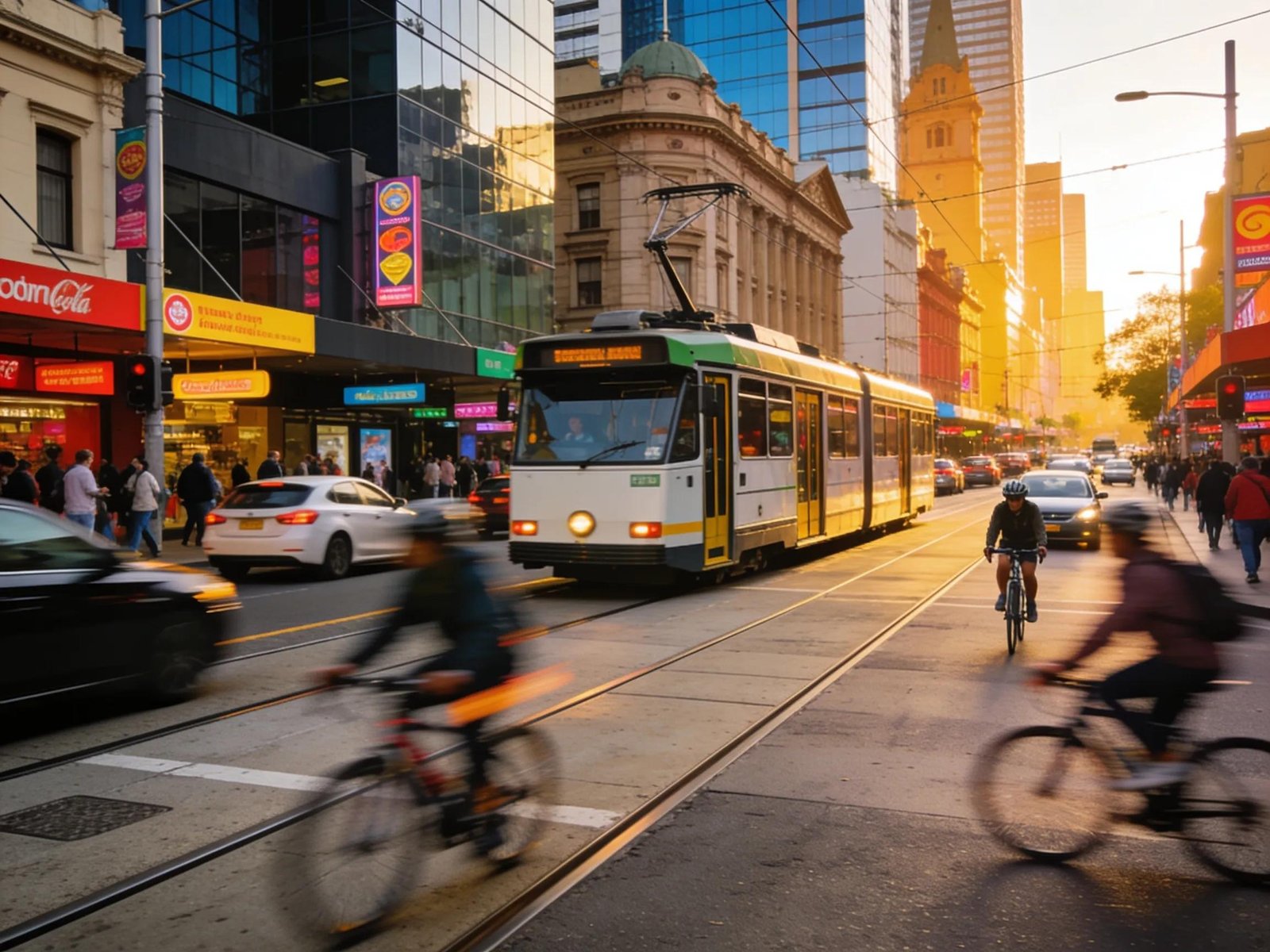
Navigating Melbourne’s busy streets requires not only confidence but a thorough understanding of specific urban driving tips Melbourne drivers need to know. The city’s unique traffic landscape includes complex tram networks, hook turn intersections, protected bike lanes, and high-density corridors that all demand alertness and compliance for safety. This comprehensive guide delves into Melbourne city driving rules crucial for learner drivers and seasoned motorists alike, focusing on the definitive hook turn guide, driving near trams Victoria laws, and respecting cyclist spaces.
We will explore tram safety laws in Victoria, step-by-step hook turn instructions particularly for key CBD intersections such as Swanston, Elizabeth, Bourke, and Collins Streets, protected bike lane etiquette including recognizing cyclist blind spots, and strategies for navigating Melbourne’s busiest corridors. Your Local Driving Academy also offers expert coaching to help you master these urban challenges.
Tram Safety Laws in Victoria: Essential Rules for Driving Near Trams
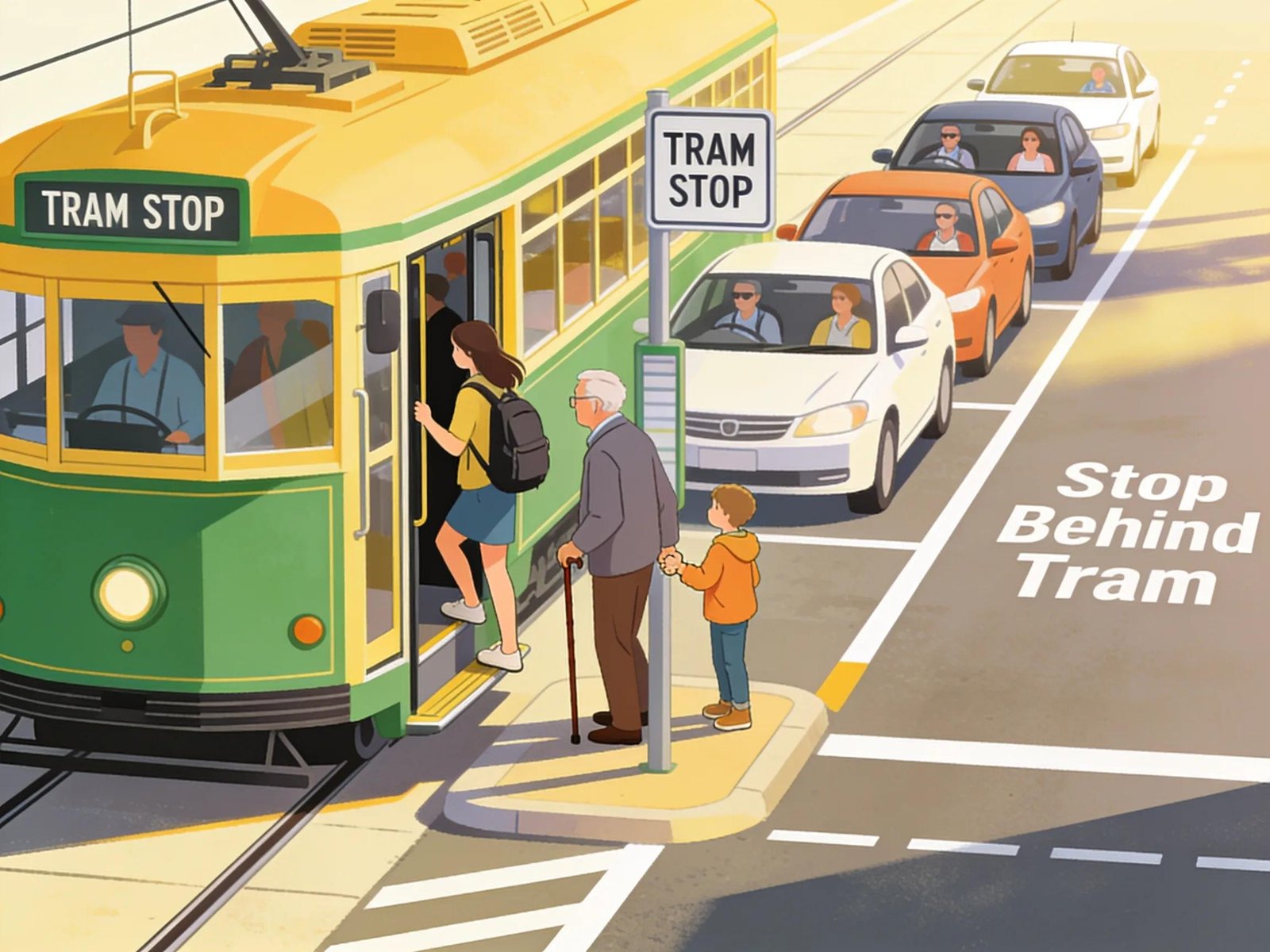
Trams are a significant feature of Melbourne’s city transport, and Victorian road laws establish strict safety parameters to protect passengers, pedestrians, and other motorists. Understanding and obeying these tram safety laws is vital for avoiding accidents and legal penalties.
Key tram-related rules include:
- Stopping Behind Trams: Drivers must stop behind a tram at tram safety zones or when tram doors are open for passenger boarding and alighting. This ensures passenger safety and complies with Victorian law.
- Passing Speed Limits: When passing a stationary tram with doors open, motorists must not exceed 10 km/h to maintain a safe environment around vulnerable road users.
- Dynamic Clearance Zones: Keep a safe distance from trams in motion; never overtake a tram on designated tram lanes and be cautious of dynamic safety zones created by tram movements.
- Tram Lanes vs. Tram Tracks: Recognize dedicated tram lanes (often marked and restricted) versus general tram track areas. Cars are prohibited from driving in tram lanes but may cross tram tracks when legally allowed.
These laws protect all road users and emphasize that respect and patience around trams can prevent crashes.
Mastering Melbourne Hook Turns: A Step-by-Step Guide for Drivers
Hook turns are a distinctive maneuver mandated in Melbourne, especially in the Central Business District (CBD) to maintain smooth tram operations and reduce conflicts at busy intersections.
Understanding the Hook Turn and Where It Is Required
A hook turn involves turning right from the far left lane at specific CBD intersections, such as Swanston, Elizabeth, Bourke, and Collins Streets. This prevents vehicles from stopping in tram lines and conflicting with oncoming trams, improving overall traffic flow.
Step-by-Step Hook Turn Instructions
- Position Yourself Appropriately: Approach the intersection in the left lane, even though you intend to turn right.
- Stop at the First Traffic Light: Wait at the stop line until the traffic light you are facing is green.
- Enter the Intersection to the Left: Proceed forward into the intersection, staying close to the left side and within any designated hook turn box or bay, without blocking pedestrian crossings.
- Wait for the Cross Traffic Light: Remain in this position until the traffic light for the road you want to turn into turns green.
- Complete Your Turn: Turn right into the road when safe, yielding to pedestrians and oncoming traffic if required.
Note the importance of observing light phases and bike box positioning, which may be marked clearly to assist in safe hook turn execution.
Protected Bike Lanes & Cyclist Blind Spots: Essential Awareness for Melbourne Drivers
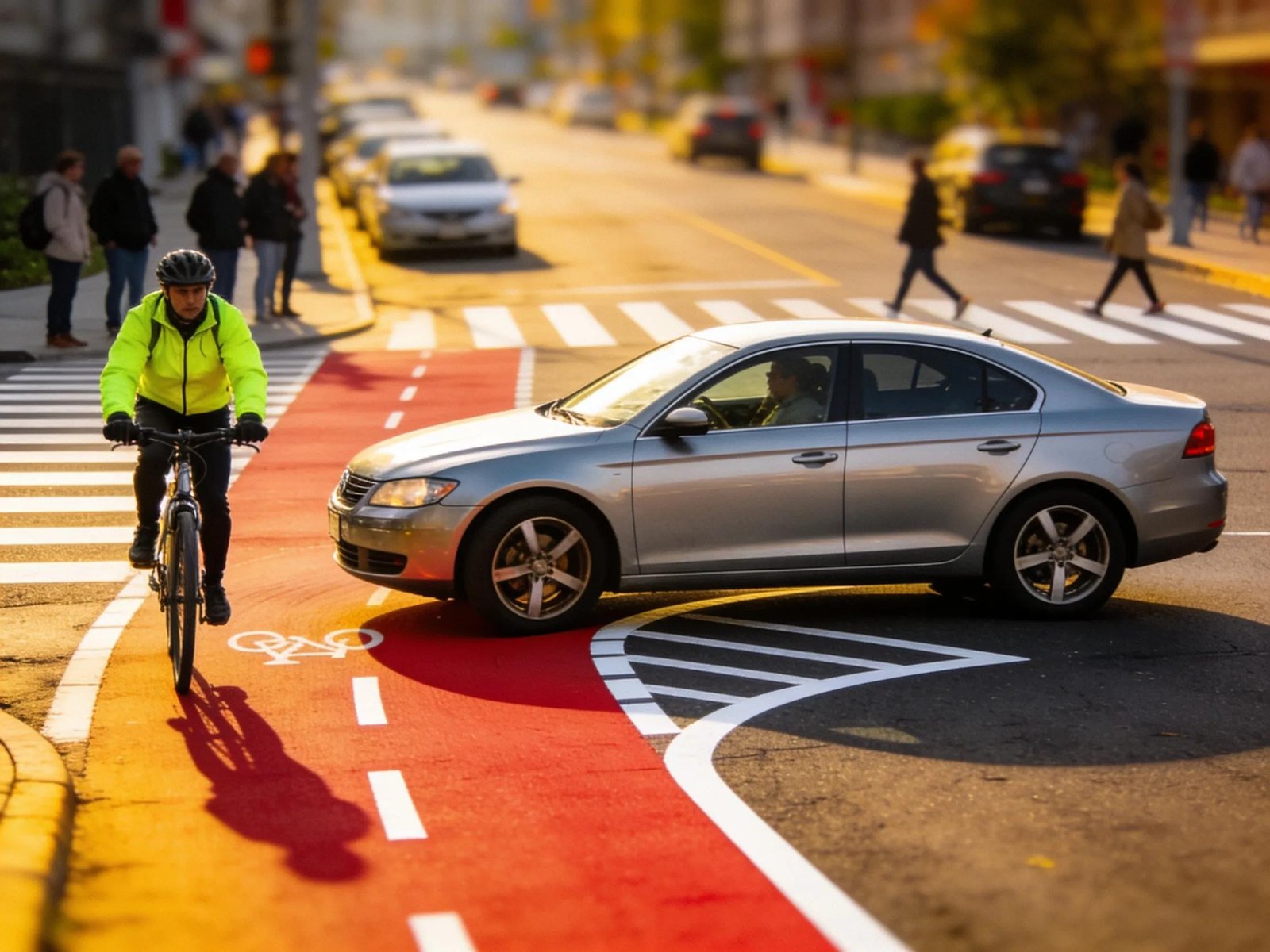
Melbourne has increasingly incorporated protected bike lanes to enhance cyclist safety, but these also introduce new considerations for drivers.
Critical points to remember include:
- Head Checking & The Dutch Reach: Before opening vehicle doors or turning across green bicycle priority lanes, drivers and passengers should perform a head check using the Dutch Reach method—opening the door with the hand furthest from it—to naturally look over their shoulder and detect approaching cyclists.
- Respecting Cyclist Priority: Yield when turning across protected bike lanes marked with green paint and bicycle symbols. Always pause if cyclists are approaching to avoid collisions in cyclist blind spots.
- Avoiding Dooring Incidents: Never open car doors without first checking bike lanes for approaching cyclists, particularly in busy urban zones.
These practices foster safe coexistence with cyclists and reduce accidents on Melbourne’s roads.
Navigating High-Density Urban Corridors: A Guide for Drivers
Melbourne’s urban driving environment includes multi-lane arterial roads, connections to tollways like CityLink and EastLink, and pedestrian-heavy shared zones, all of which require special attention.
- Multi-Lane Arterials: Use lane discipline to avoid sudden changes and maintain safe following distances, especially around trams and cyclists.
- Tollway Connections (CityLink, EastLink): Plan routes carefully, obey toll signs, and merge attentively to handle high-speed traffic safely.
- Pedestrian Shared Zones: Reduce speed markedly and be prepared to stop for pedestrians; these zones often have lower speed limits and special crossing rules.
Mastering these elements is key for urban driving success in Melbourne.
Specialized Coaching from Your Local Driving Academy
Learning to drive confidently in Melbourne’s urban environment is made easier with expert instruction. Your Local Driving Academy provides tailored lessons addressing:
- Urban driving tips Melbourne drivers need
- Definitive hook turn guide Melbourne learners must know
- Safe driving near trams Victoria laws
- Bike lane awareness and cyclist interactions
Call us at +61 455 889 588 to book your personalized coaching session today.
Helpful FAQs for Melbourne City Driving Rules
Q: Where exactly are hook turns required in Melbourne CBD?
A: Hook turns are mandatory at selected intersections along Swanston, Elizabeth, Bourke, and Collins Streets, where trams operate and turning right from the left lane is necessary to avoid tram conflicts.
Q: What should I do if I approach a stopped tram with doors open?
A: You must stop behind the tram at the safety zone and not proceed until passengers have boarded or alighted and the tram is moving again. Passing trams at a speed greater than 10 km/h in these conditions is illegal.
Q: How can I avoid cyclist blind spots when driving in protected bike lane areas?
A: Always perform a shoulder check or use the Dutch Reach method before opening your door or turning across bike lanes. Maintain a vigilant lookout in areas marked with green bicycle priority lanes.
Q: Are there specific speed limits when driving near trams or in high-density urban corridors?
A: Yes, while general speed limits apply, reduced speeds (such as 10 km/h) are enforced when passing stopped trams, and lower speed limits often govern pedestrian shared zones.
Q: How do the tram lanes differ from tram tracks?
A: Tram lanes are designated lanes typically marked and restricted to trams only—motor vehicles are prohibited except when crossing. Tram tracks are the physical rails that may exist within vehicle lanes but allow crossing and sharing under specific rules.
Booking Your Urban Driving Lessons and Gift Vouchers
Your Local Driving Academy offers easy online booking for lessons focusing on Melbourne tram rules, hook turn techniques, and bike lane safety.
- Visit Our Site: Browse expert lesson options tailored for urban driving scenarios.
- Choose Your Lesson: Select from programs emphasizing the safe handling of streetcars, hook turns, and urban cyclist awareness.
- Secure Your Booking: Enjoy quick confirmation and multiple secure payment options.
Gift vouchers are also available, perfect for learners starting their urban driving journey.
Melbourne Urban Driving Safety Data and Regulatory Updates
The urban driving landscape in Melbourne evolves with ongoing regulatory updates reflecting safety data trends.
VicRoads Tram Incident Statistics and Impact on Education
Recent VicRoads data reveals a steady increase in tram-related incidents, signalling a critical need for enhanced driver education concerning tram interactions.
This trend highlights the importance of programs like those at Your Local Driving Academy in improving Melbourne’s urban road safety.
Regulatory Changes Affecting Hook Turn and Bike Lane Rules
As Melbourne continues to update its traffic policy framework, adjustments to hook turn locations, bike lane extents, and compliance measures are regularly implemented to enhance traffic safety and efficiency.
Learners are encouraged to keep abreast of these changes through accredited lessons and official communications to ensure their driving conforms to the latest Melbourne city driving rules.