
By Eiad Chisty, Your Local Driving Academy
Passing your driving test in Melbourne can be challenging, but with the right preparation centred on Victorian road rules and VicRoads drive test tips, you can pass driving test Melbourne confidently on the first attempt. This article provides an expert, comprehensive guide on how to pass Victorian driving test first time, with a clear focus on the VicRoads practical drive test structure, critical errors to avoid, and precise preparation strategies tailored for Victorian learner drivers.
Understanding the VicRoads Practical Drive Test Structure
The VicRoads practical driving test is divided into two distinct stages designed to assess different skill sets essential for safe driving:
- Stage 1 — Low-Speed Maneuvers: This initial phase evaluates your control over the vehicle in low-speed situations, focusing on precise maneuvers such as three-point turns, reverse parallel parking, hook turns, and other essential handling skills.
- Stage 2 — High-Speed and Multi-Lane Driving: This stage assesses your ability to safely navigate through regular traffic conditions, including multi-lane roads, roundabouts, tram zones, and varying speed zones typical in Melbourne.
The Pre-Drive Safety Check: What Testing Officers Look For
Before the driving test begins, examiners assess your vehicle’s readiness and your knowledge of vehicle safety features through a pre-drive safety check. Key elements include:
- Checking operation of indicators, brake lights, horn, and mirrors.
- Adjusting mirrors and seat position for optimal control and visibility.
- Ensuring seatbelts are correctly worn and functioning.
- Demonstrating awareness of vehicle controls and hazard identification around the vehicle.
Being familiar and confident with these checks shows your preparedness and commitment to safety, positively influencing your examiner’s impression.
Top 10 Critical Errors & Immediate Fail Items in Melbourne
Learning to avoid these critical driving errors is vital for passing your VicRoads test. In Melbourne, some common immediate fail items include:
- Failing Right-of-Way Rules: Not yielding correctly to trams, pedestrians, and other vehicles at intersections.
- Speed Limit Creep: Exceeding posted speed limits, including 40 km/h variable school zones and other restricted areas.
- Inadequate Blind Spot and Head Checks: Failing to perform thorough shoulder checks before lane changes, merging, or turns.
- Poor Gap Selection: Unsafe merging or turning where insufficient space is available.
- Incorrect Hook Turn Execution: Not adhering to specific Melbourne tram zone hook turn procedures.
- Unsafe Tram Zone Driving: Incorrect proximity or failure to give way to trams.
- Improper Lane Use on Multi-Lane Roundabouts: Choosing wrong lanes or failing to signal appropriately.
- Failure to Adjust Speed in Variable Zones: Not adapting to dynamic speed limits such as school zones during operating hours.
- Improper Use of Signals: Not signalling or signalling late during maneuvers.
- Loss of Vehicle Control During Low-Speed Maneuvers: Stalling, rolling back on hill starts, or unsafe completion of three-point turns.
Conquering Melbourne Road Features: Key Local Driving Challenges
- Hook Turns: Vital in Melbourne CBD, understand the step-by-step process for safely performing hook turns at intersections where tramlines exist.
- Tram Zones: Learn tram priority rules, maintain safe following distances, and approach tram stops cautiously.
- Multi-Lane Roundabouts: Choose correct entry lanes, signal your intention clearly, and be aware of other vehicles’ positioning.
- Variable 40 km/h School Zones: Comply with school zone hours and monitor changing speed limits via electronic signage.
Maximizing Your Pass Rate with Mock Driving Tests
Mock tests replicate the authentic VicRoads testing environment under the supervision of accredited instructors familiar with Melbourne’s roads and VicRoads criteria. Benefits include:
- Identifying skill gaps specific to your driving abilities.
- Building realistic test-day confidence by simulating exam pressures.
- Receiving targeted feedback and actionable improvements.
- Practicing critical Melbourne-specific maneuvers like hook turns and tram zone navigation.
This targeted, practical preparation is a key contributor to a 98% first-time pass rate among our academy learners.
Comprehensive FAQ Section for Victorian Learners
What are the logbook requirements for learner drivers in Victoria?
Victorian learner drivers are required to complete 120 hours of logged supervised driving, including at least 20 hours of nighttime driving. This ensures broad experience before sitting your practical test.
What is the Hazard Perception Test (HPT) and how does it relate to my driving test?
The HPT is a computer-based test assessing your ability to identify and respond to potential hazards on the road. It is a prerequisite to booking your practical VicRoads drive test.
What should I bring and prepare for on test day?
- Valid learner permit.
- Completed logbook confirming required supervised driving hours.
- Booked test confirmation and identification documents.
- A roadworthy, registered, and insured vehicle meeting VicRoads requirements.
- Comfortable clothing and a calm, focused mindset.
Practical VicRoads Drive Test Tips to Pass Driving Test Melbourne
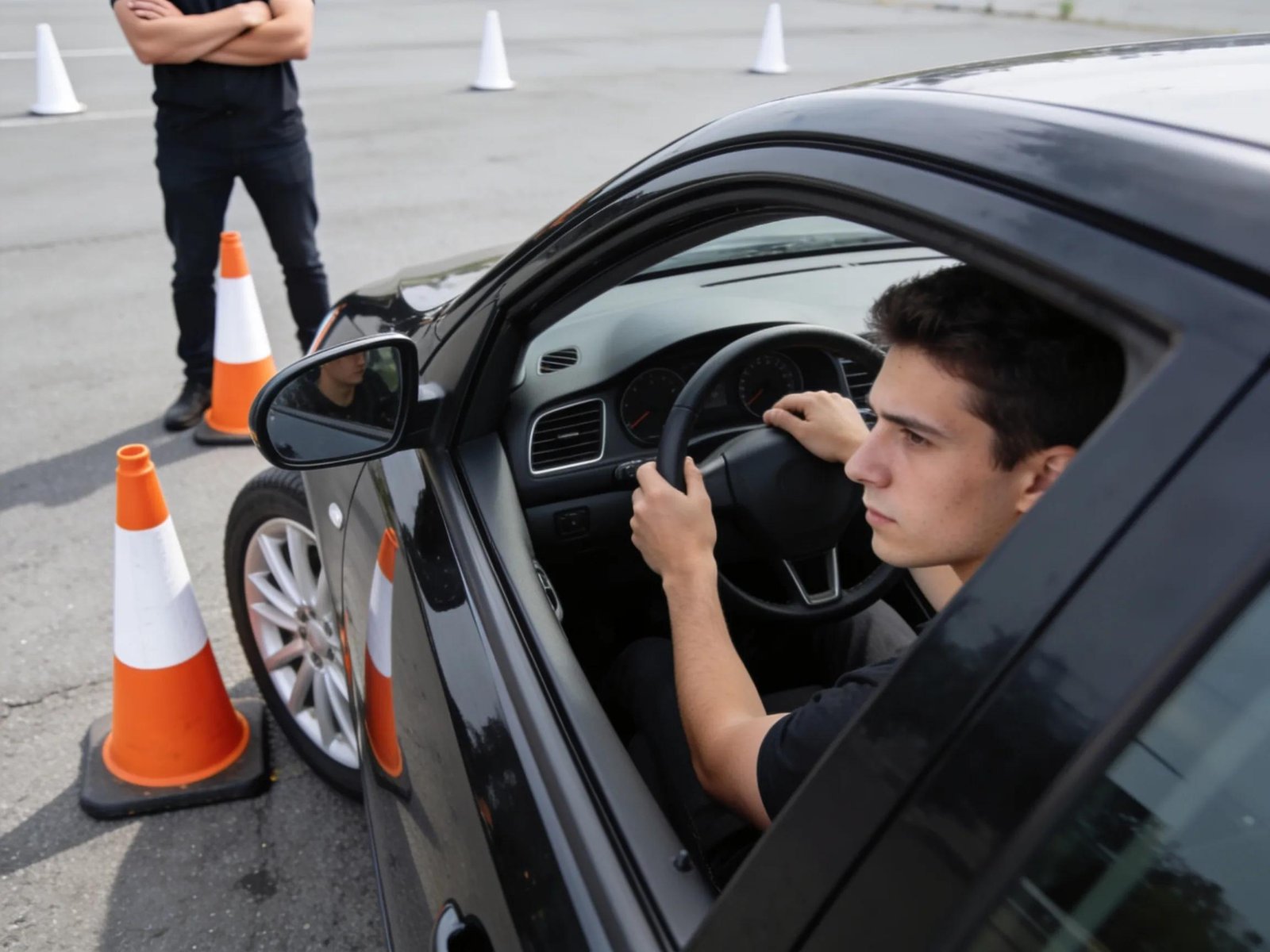
Implement these Melbourne-focused tips to maximize your chance to pass driving test Melbourne first time:
- Practice Regularly on Victorian Roads: Gain experience on multi-lane carriageways, tram corridors, school zones, and diverse intersections.
- Focus on VicRoads Key Maneuvers: Master three-point turns, hook turns, reverse parallel parking, and roundabout navigation under Melbourne conditions.
- Use Pre-Drive Safety Checks Every Time: Show examiners you prioritize safety with consistent vehicle checks.
- Stay Within Speed Limits Strictly: Pay attention to changing speed zones including variable school zones.
- Perform Thorough Blind Spot and Head Checks: Especially before lane changes, merges, and turns.
- Remain Calm and Confident: Use controlled breathing and positive visualization techniques before and during the test.
Expert Coaching and Structured Driving Lessons in Melbourne
Working with accredited local instructors ensures you receive tailored guidance relevant to Melbourne traffic conditions and VicRoads expectations. Structured lessons incorporate:
- Practice of critical Victorian-specific maneuvers.
- Simulation of test scenarios including variable road environments.
- Detailed feedback to help you avoid common errors.
- Preparation for both stages of the VicRoads practical driving test.
Additional Expert Insights: Victorian Driving Test and Road Safety
VicRoads emphasizes adherence to local traffic laws such as speed management in school zones and the importance of head check blind spot verification to ensure safety beyond basic maneuvering skills. These elements are scrutinized closely during your test in Melbourne.
Summary Checklist: Your Roadmap to Pass Driving Test Melbourne
- Understand the two-stage VicRoads practical drive test structure (low-speed vs high-speed).
- Complete and log 120 hours of supervised driving including night driving.
- Master the pre-drive vehicle safety check procedures.
- Avoid top critical errors like failing right-of-way rules, blind spot checks, and speed limit compliance.
- Practise Melbourne-specific road features: hook turns, tram zones, multi-lane roundabouts, and school zones.
- Schedule multiple mock driving tests with your local driving academy.
- Prepare mentally using relaxation techniques and visualization.
- Ensure your vehicle meets all VicRoads requirements for test day.
- Arrive early and calm with all necessary documentation and permits.
By focusing on local rules, detailed Victorian-specific techniques, and logically structured preparation, you can significantly increase your chances to pass driving test Melbourne the first time, demonstrating the skill and confidence demanded by VicRoads.